
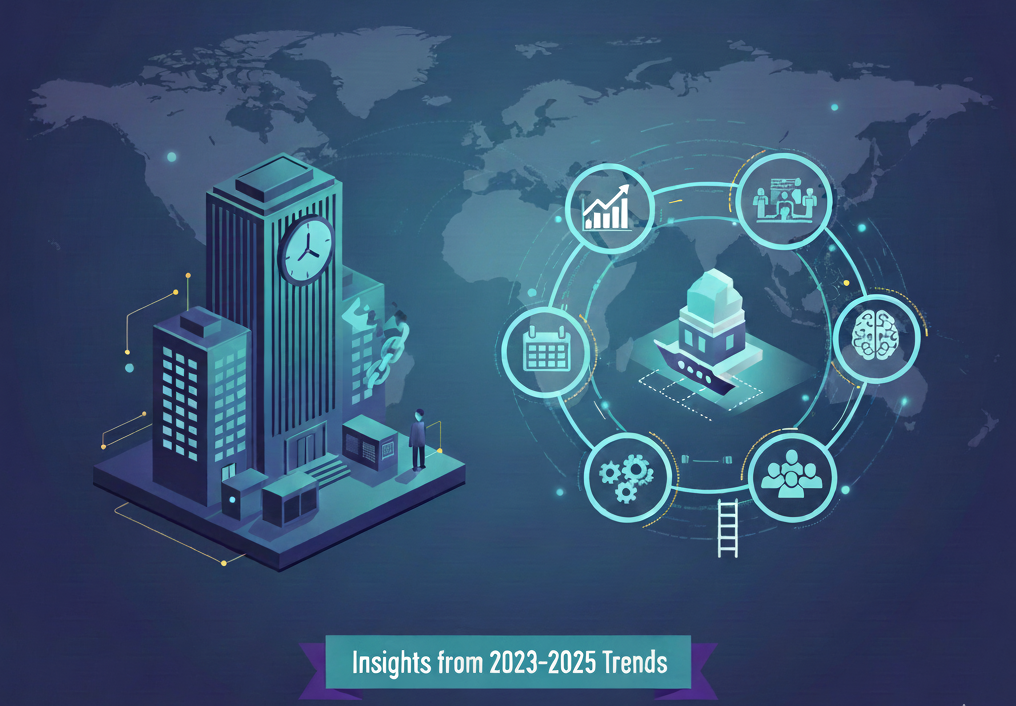
In 2026, the digital frontier is no longer just a theater for human hackers; it is an industrialized ecosystem where artificial intelligence (AI) and automated agents drive the “kill chain” at speeds that outpace traditional human oversight. For managers, the shift from 2025 to 2026 represents a transition from “AI experimentation” to “AI-driven operational reality.”
Management Summary: 2026 Remediation Priorities
Before diving into the technical threats, managers should prioritize these strategic interventions:
- Implement “Agentic” Governance: Establish clear identity and access management (IAM) protocols for AI agents, treating them as distinct digital identities with restricted permissions.
- Adopt Phishing-Resistant MFA: Move beyond SMS or app-based codes to FIDO2/WebAuthn standards to counter AI-driven voice cloning and real-time session hijacking.
- Inventory Cryptography: Begin a “Post-Quantum Cryptography” (PQC) readiness audit to identify long-life data at risk of “Harvest Now, Decrypt Later” (HNDL) tactics.
- Operational Resilience over Prevention: Shift KPIs from “threats blocked” to “Recovery Time Objectives” (RTO), acknowledging that automated breaches are often a matter of “when,” not “if.”
The 2026 Threat Landscape
1. Autonomous Cybercrime Agents
The defining threat of 2026 is the emergence of purpose-built, autonomous cybercrime agents. Unlike the basic LLM-assisted phishing of previous years, these agents can independently conduct reconnaissance, scan for zero-day vulnerabilities, and adapt malware code in real-time to evade specific Security Information and Event Management (SIEM) detections. Adversaries now operate with the throughput of a software enterprise, using “Fraud-as-a-Service” marketplaces that provide turnkey infrastructure for even low-skilled actors.
2. Hyper-Realistic Social Engineering (Vishing & Deepfakes)
Social engineering has evolved into a multimodal threat. Attackers now leverage high-fidelity voice cloning and synthetic media to impersonate executives during live video calls or over the phone. These “deepfake” attacks are often paired with business email compromise (BEC) to authorize fraudulent wire transfers or bypass help-desk security protocols, exploiting the human element through emotional manipulation that traditional filters cannot catch.
3. The “Harvest Now, Decrypt Later” (HNDL) Paradigm
While a functional quantum computer capable of breaking RSA-2048 may still be years away, adversaries are actively “harvesting” encrypted sensitive data today. Their strategy is to store this data until quantum breakthroughs allow for near-instant decryption. For sectors with long-term data sensitivity—such as healthcare, defense, and finance—this creates an immediate “silent” breach.
4. Supply Chain & Service Interdependency
Cyber adversaries are shifting focus from individual corporate networks to the service supply chain. By compromising a single widely-used SaaS provider, API connector, or cloud-based management tool, attackers can achieve a “force multiplier” effect, gaining entry into thousands of downstream organizations simultaneously. In 2026, a misconfiguration in a shared AI model or a third-party API is often the weakest link in the enterprise perimeter.
Conclusion
The 2026 threat landscape demands that managers move beyond a “compliance-first” mindset toward one of structural resilience. By integrating AI into defensive postures and securing the human-AI interaction layer, organizations can maintain a foothold in an increasingly automated world.
References
- Fortinet (2025). 2026 Cyberthreat Predictions Report: The Industrialization of Cybercrime.
- Google Cloud (2025). Cybersecurity Forecast 2026: AI, Nation-States, and the On-Chain Economy.
- World Economic Forum (2026). Global Cybersecurity Outlook 2026: The AI Disparity.
- Forbes Technology Council (2026). Quantum Security In 2026: Preparing for the Hybrid Future.
- Qualys (2026). The Rise of Risk-First Security Models.