Why Organizational Memory Matters More Than Ever in the AI Era

Most organizations are currently focused on adopting AI tools. Far fewer are evaluating whether their organizational knowledge systems are capable of supporting AI effectively. That distinction matters more than many leaders initially realized. AI systems are not independent sources of organizational intelligence. They depend heavily on the quality, accessibility, structure, and consistency of the information … Read more

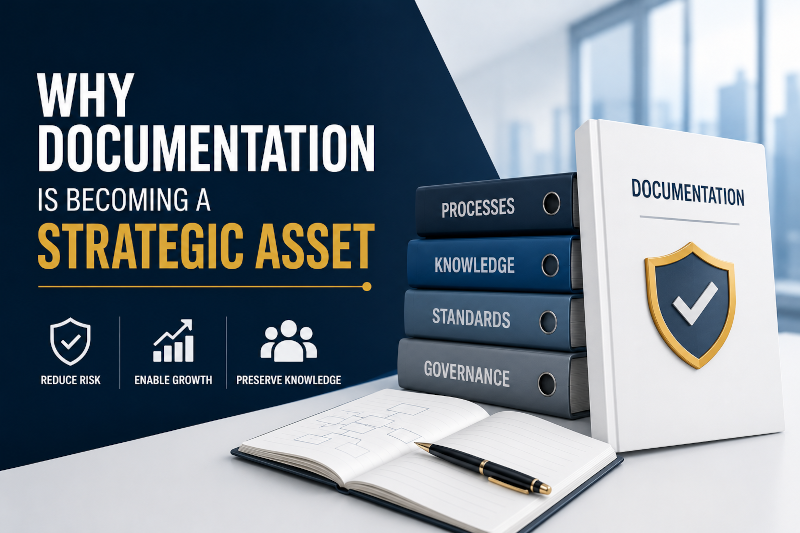
Why Documentation Is Becoming a Strategic Asset

Organizations rarely recognize documentation problems when operations are functioning normally. The consequences usually emerge later — during onboarding failures, employee turnover, compliance audits, operational outages, or periods of rapid organizational growth. What initially appears to be a minor administrative issue gradually evolves into operational friction that affects nearly every layer of the business. Documentation is … Read more

Our “Single Source of Truth” Has 4 Versions

Why data inconsistency across automated systems is hurting operations, leadership decisions, and business growth Every organization wants a single source of truth. It is one of the most common goals in digital transformation, process improvement, and enterprise automation. Leaders want one trusted customer record, one accurate revenue number, one reliable inventory count, and one dashboard … Read more

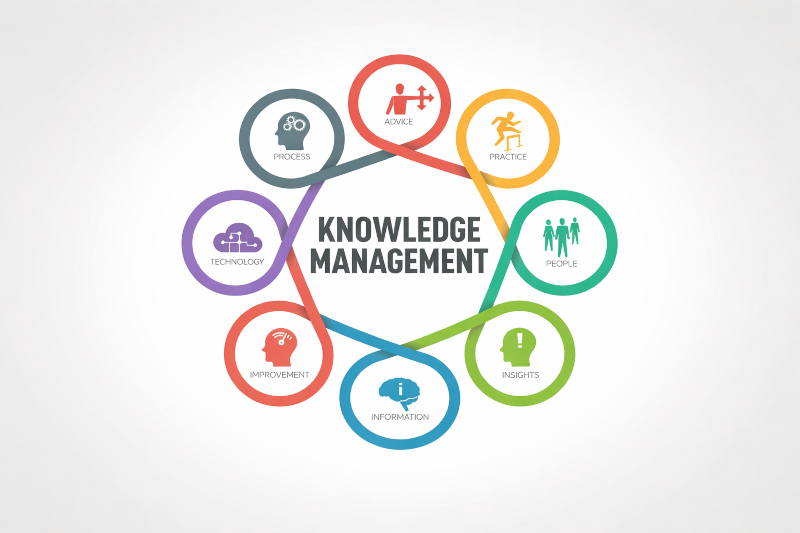
The Strategic Case for Knowledge Management in 2026

Recommendations In 2026, competitive advantage is no longer determined solely by who possesses the most data, the largest cloud infrastructure, or the newest artificial intelligence tools. Most enterprises already operate in environments saturated with information, collaboration platforms, analytics systems, and automation technologies. The real differentiator is becoming something far more operational: the ability to transform … Read more

The Silent Productivity Killer: Why Knowledge Systems Are Becoming Operational Infrastructure

Recommendations Most organizations assume productivity problems originate from workload itself. Employees appear overwhelmed, meetings multiply, inboxes grow, and operational delays become normalized across teams. But inside many enterprises, the larger issue is not simply volume of work. It is the growing amount of time employees spend searching for information, reconstructing context, clarifying ownership, and navigating … Read more

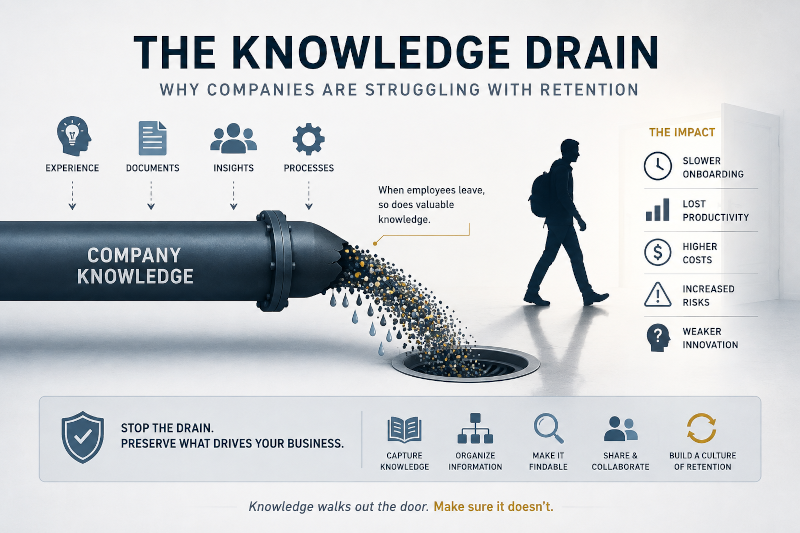
Why Organizational Knowledge Disappears Faster Than Companies Realize

Recommendations Knowledge Loss Is Becoming an Operational Risk Most organizations still relegate knowledge loss to the HR department—a routine byproduct of retirements, restructures, and standard employee turnover. But in the modern enterprise, the real danger isn’t people leaving. It is the gradual, structural erosion of operational context over time. When a key player exits, they … Read more