Cybersecurity Governance: Turning Risk Into Decisions
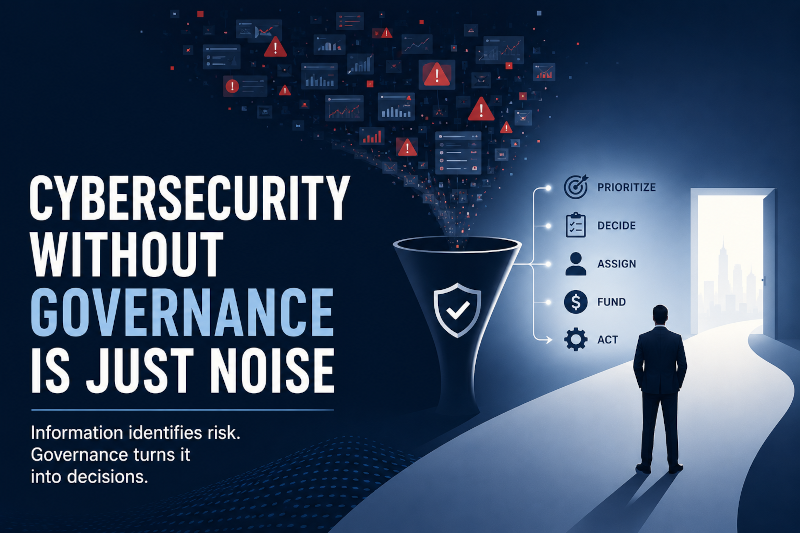
Effective cybersecurity governance assigns clear risk ownership and connects technical findings to decisions leaders can act on.

Managing cyber risks, protecting systems and data, and strengthening security practices.
Effective cybersecurity governance assigns clear risk ownership and connects technical findings to decisions leaders can act on.

Insider risk includes accidental mistakes and workflow shortcuts, so small businesses need practical controls that fit everyday work.
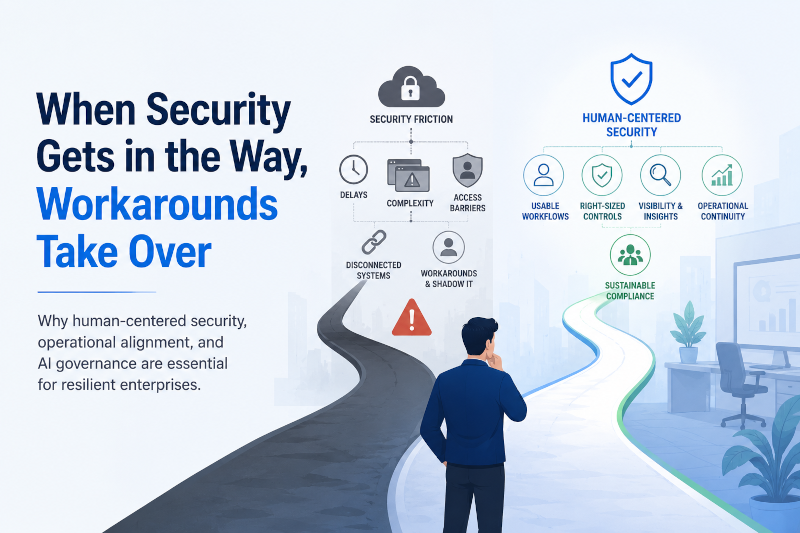
Employees bypass security controls when policies conflict with real workflows, creating risk that stricter rules alone may not solve.
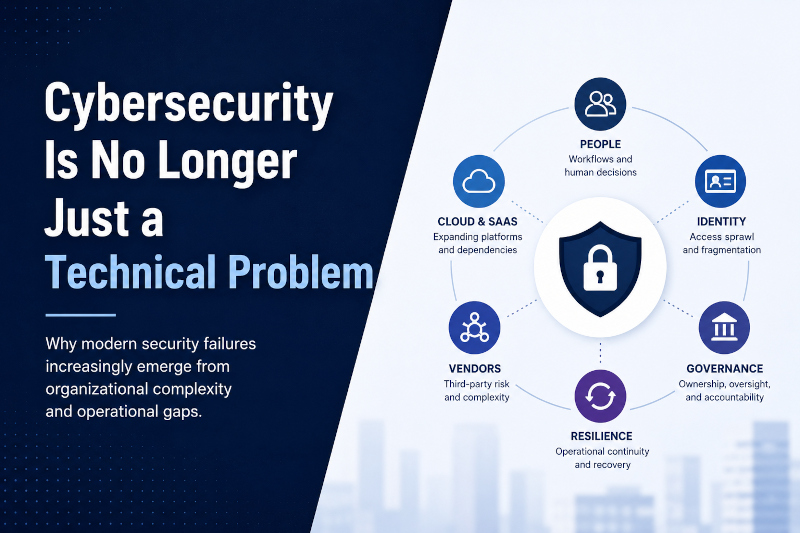
Cybersecurity risk is shaped by business processes, incentives, identity practices, and decisions—not technology controls alone.

Fragile identity environments create security and operational risk when access processes rely on workarounds, manual fixes, and disconnected tools.

Cloud services and distributed work weaken the traditional network perimeter, making identity, access controls, and continuous verification central to security.

Patching programs fail when remediation is slow, priorities are unclear, and vulnerability management is disconnected from operational risk.

Third-party vendors, integrations, and external access can expand an organization’s attack surface beyond its internal network.
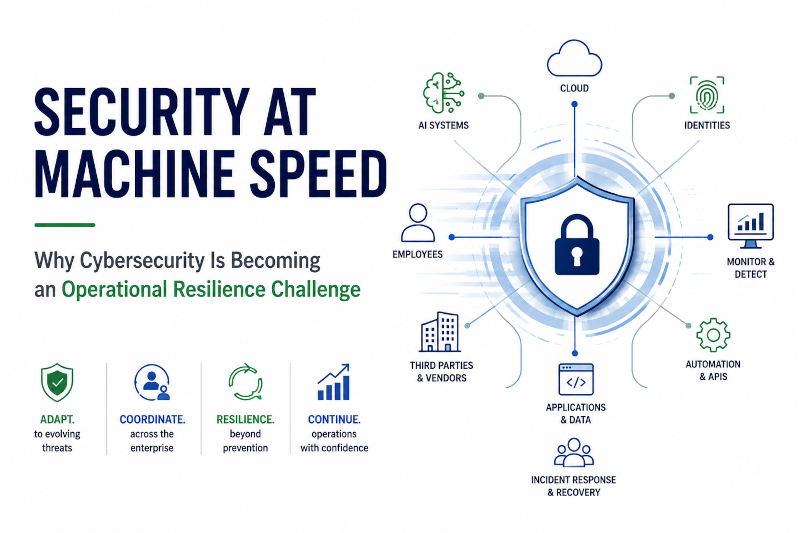
Cybersecurity resilience depends on integrating identity, verification, governance, and recovery into the way the organization operates.

Machine-speed threats demand stronger identity controls, continuous monitoring, and security governance built into daily operations.