Why Documentation Is Becoming a Strategic Asset
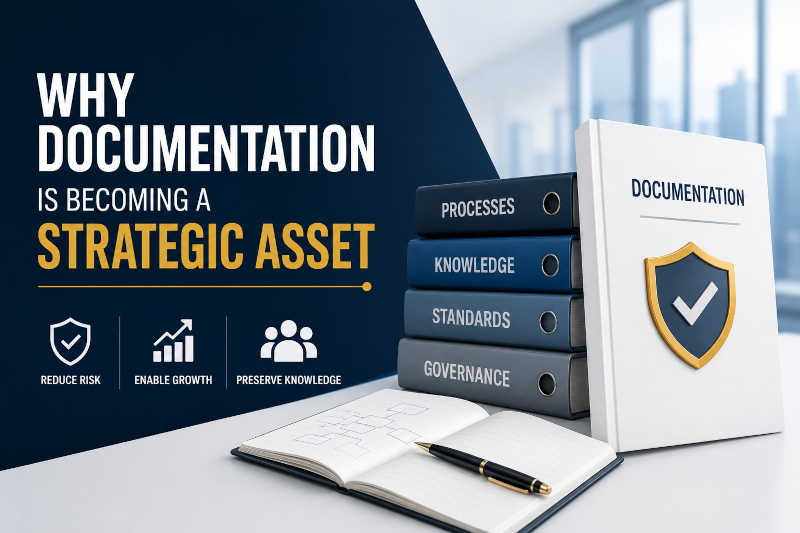
Well-maintained documentation preserves operational knowledge, supports consistent execution, and reduces dependence on individual employees.
Well-maintained documentation preserves operational knowledge, supports consistent execution, and reduces dependence on individual employees.

Business-critical automations become a liability when ownership, logic, dependencies, and recovery procedures are poorly understood.

Persistent IT firefighting often signals recurring system failures, unclear processes, and preventable operational work—not simply workload.
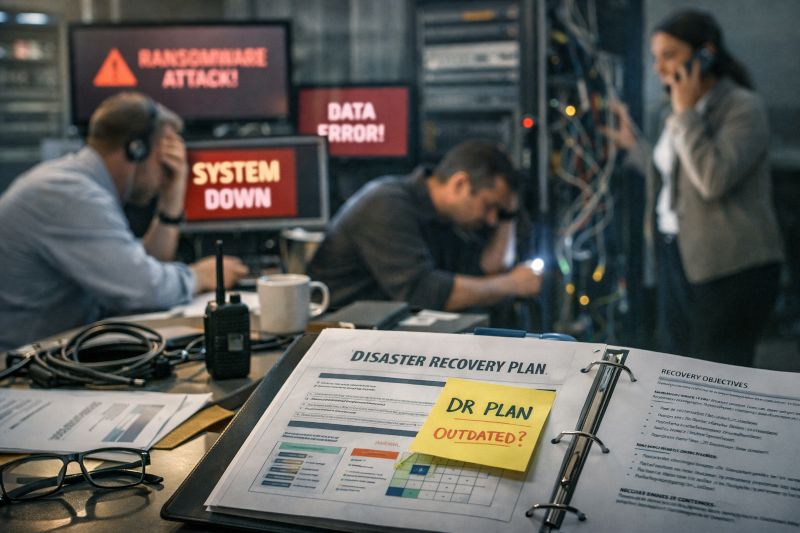
A disaster recovery document proves little unless teams test recovery procedures, validate dependencies, and demonstrate that systems can return.

Third-party vendors, integrations, and external access can expand an organization’s attack surface beyond its internal network.
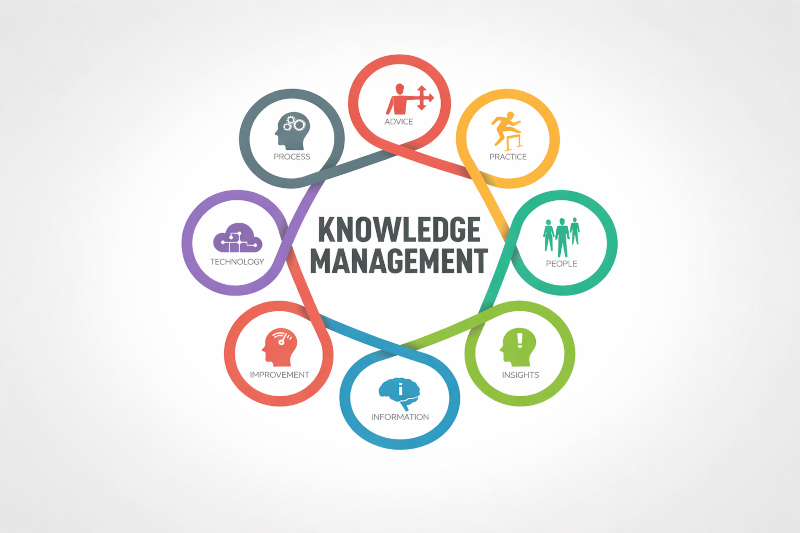
Knowledge management is strategic infrastructure when it improves retrieval, organizational learning, execution, and decision-making.
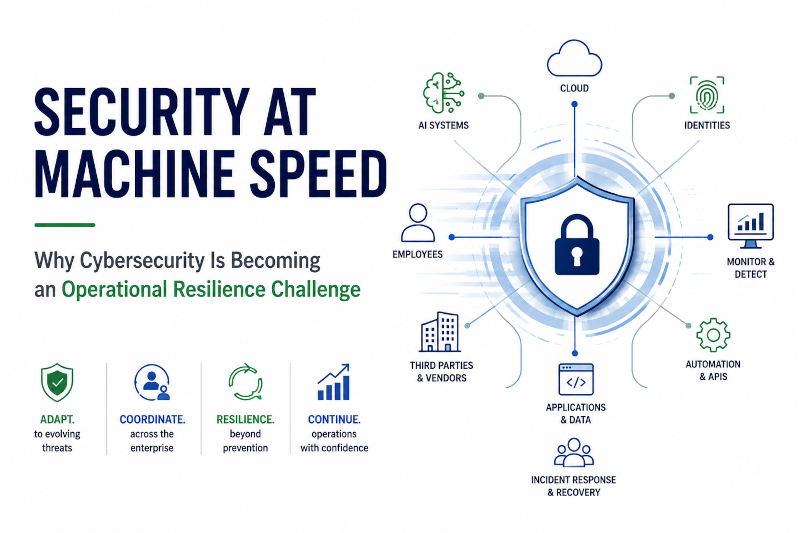
Cybersecurity resilience depends on integrating identity, verification, governance, and recovery into the way the organization operates.

Employees lose time searching, reconstructing context, and repeating work when operational knowledge is fragmented or difficult to access.

Machine-speed threats demand stronger identity controls, continuous monitoring, and security governance built into daily operations.
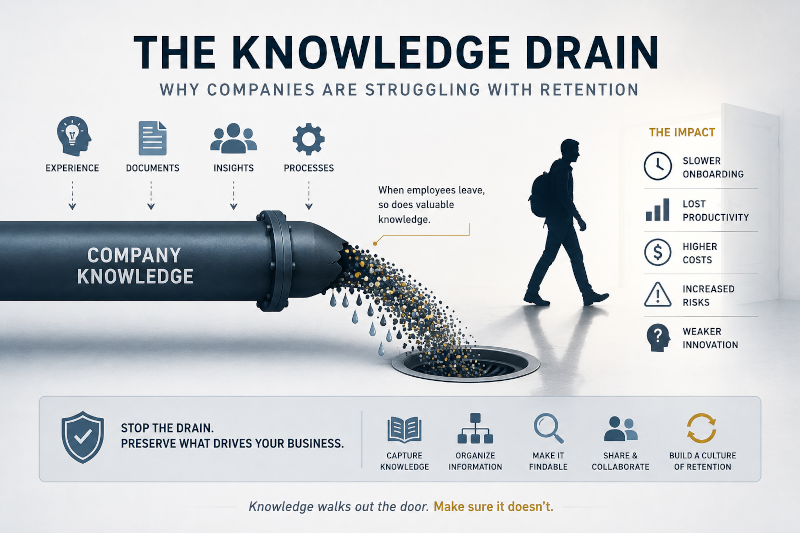
When knowledge depends on individuals instead of maintained systems, turnover and change can quietly undermine operational continuity.