Why Organizational Memory Matters More Than Ever in the AI Era

AI depends on accessible, trustworthy organizational knowledge, making knowledge governance and maintenance essential to effective adoption.
AI depends on accessible, trustworthy organizational knowledge, making knowledge governance and maintenance essential to effective adoption.
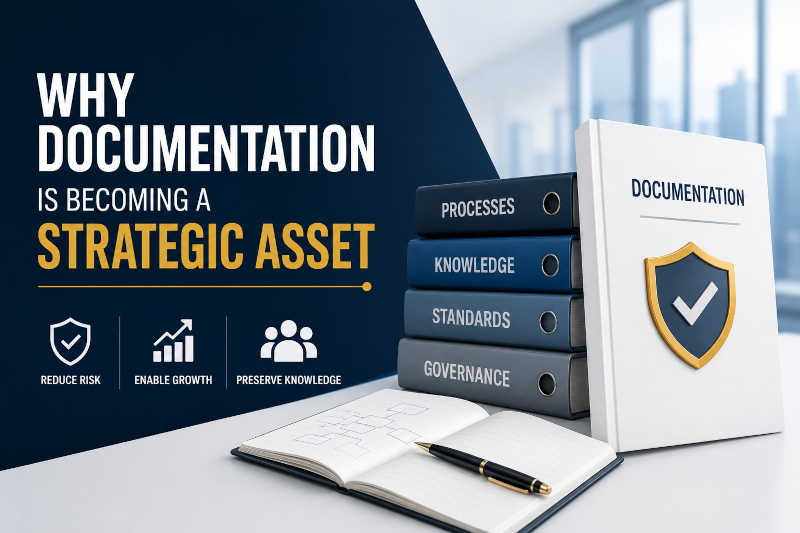
Well-maintained documentation preserves operational knowledge, supports consistent execution, and reduces dependence on individual employees.
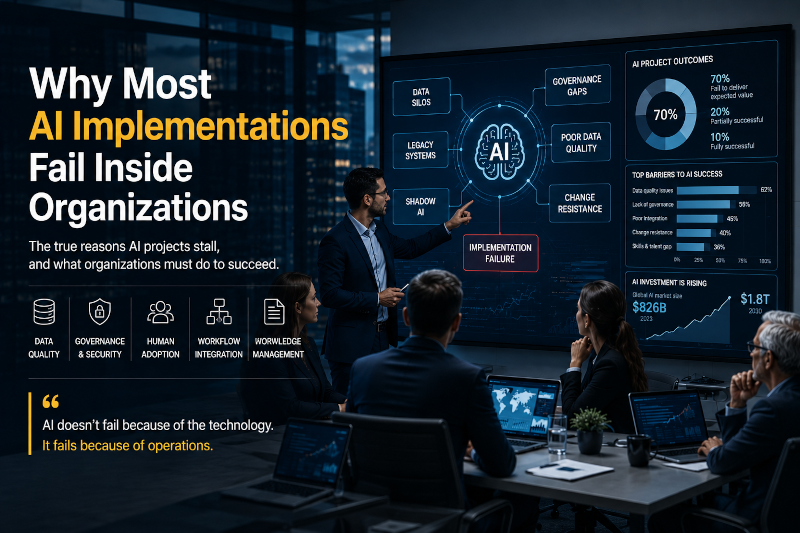
AI initiatives stall when organizations overlook workflow fit, employee adoption, governance, and measurable business outcomes.

AI exposes the real state of processes, data, documentation, and governance—making operational weaknesses harder to ignore.

Multiple competing versions of critical information erode trust, create rework, and undermine decisions across the organization.

Successful AI adoption starts with a business problem, a credible value case, and execution that changes how work gets done.
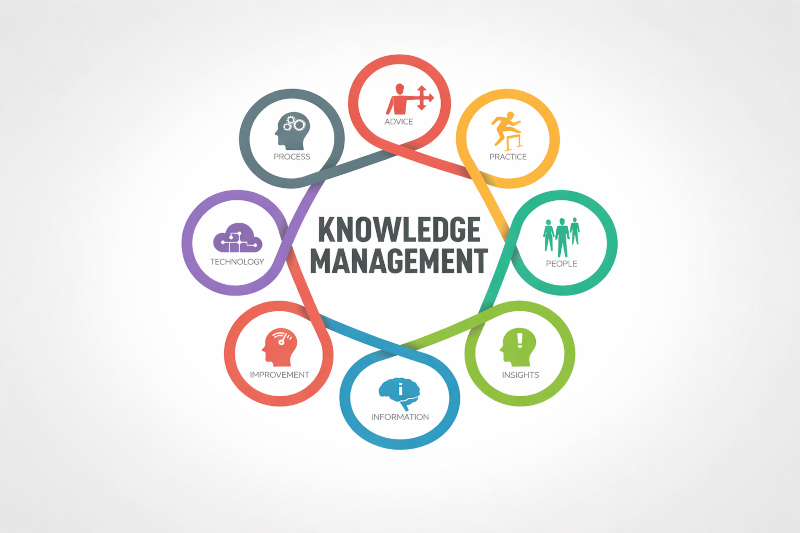
Knowledge management is strategic infrastructure when it improves retrieval, organizational learning, execution, and decision-making.

Employees lose time searching, reconstructing context, and repeating work when operational knowledge is fragmented or difficult to access.
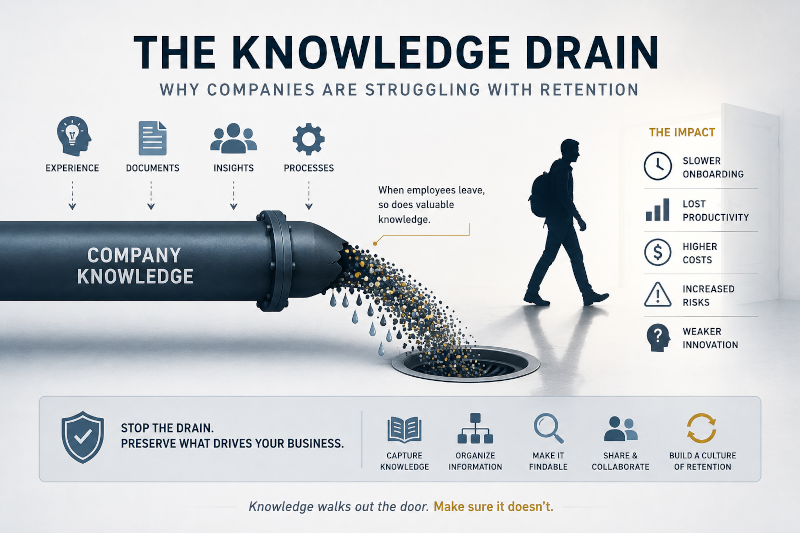
When knowledge depends on individuals instead of maintained systems, turnover and change can quietly undermine operational continuity.
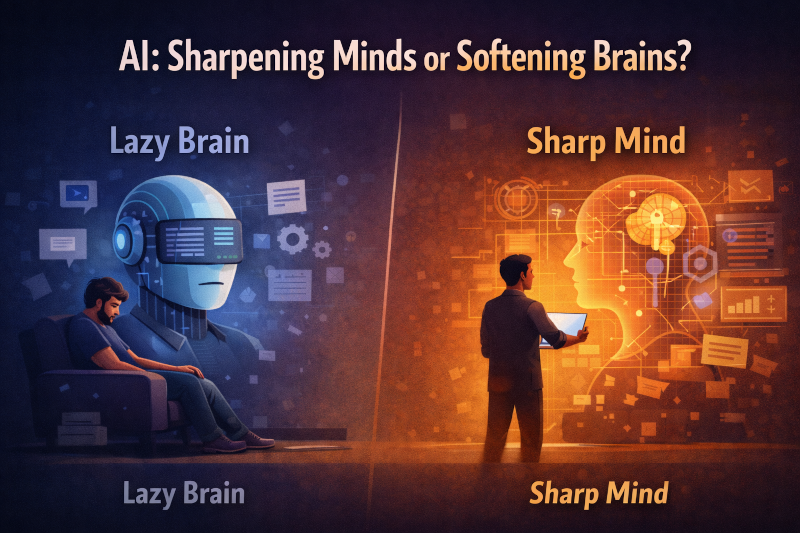
AI can reduce routine cognitive effort, but organizations must preserve human judgment, verification, and critical thinking.