Why Decision-Making Is Becoming More Distributed
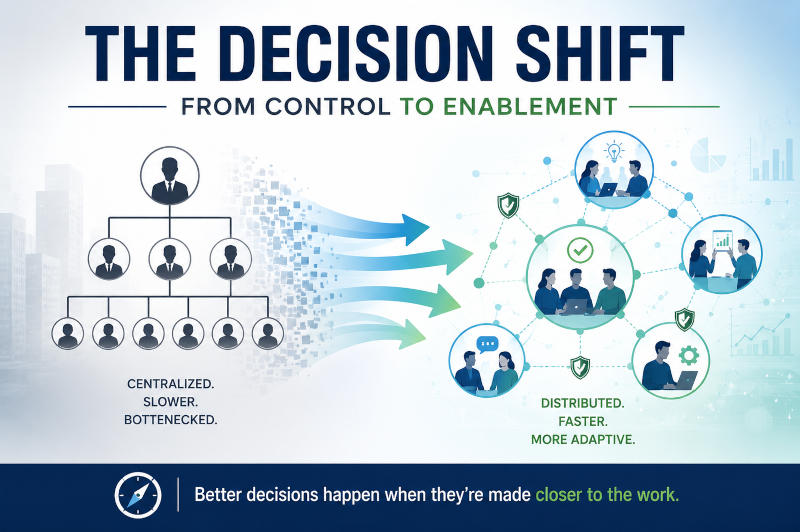
As work becomes more interconnected, organizations must clarify which decisions can move closer to execution and which require escalation.
Improving organizational design, leadership, knowledge management, and decision-making.
As work becomes more interconnected, organizations must clarify which decisions can move closer to execution and which require escalation.
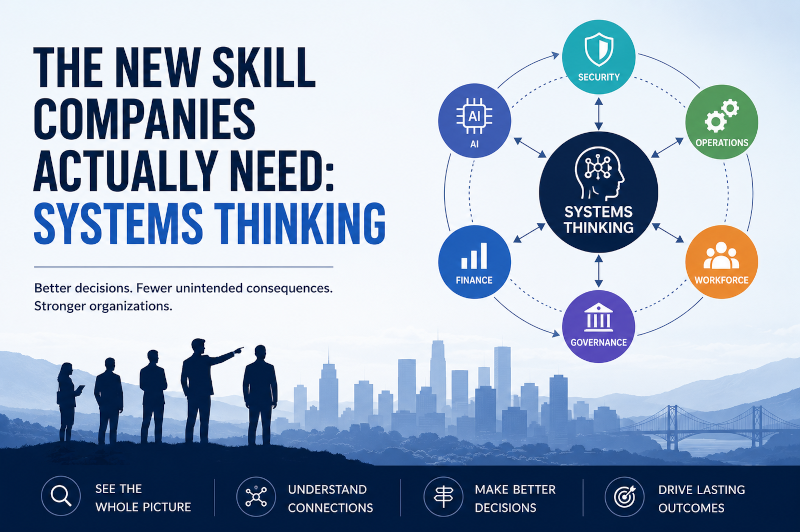
Systems thinking helps leaders anticipate downstream effects, understand interdependencies, and evaluate initiatives beyond isolated departmental outcomes.
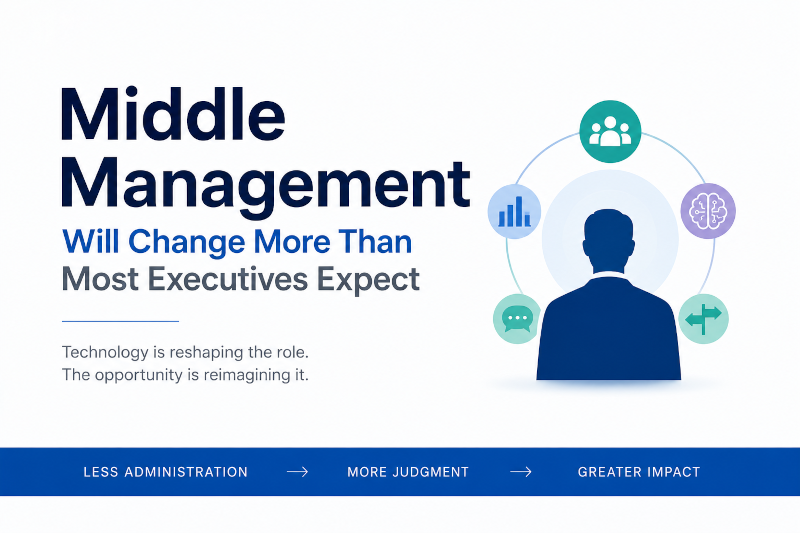
AI and automation may reshape middle management by reducing routine reporting and creating more room for coaching and decisions.

AI depends on accessible, trustworthy organizational knowledge, making knowledge governance and maintenance essential to effective adoption.
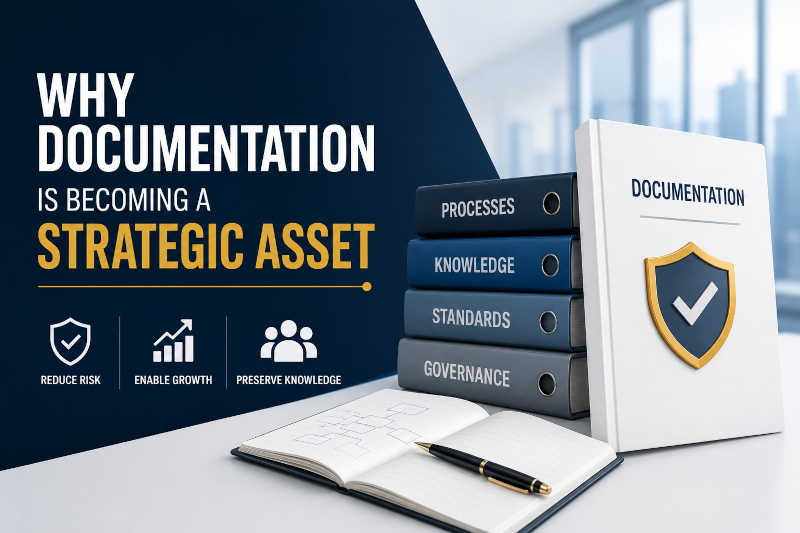
Well-maintained documentation preserves operational knowledge, supports consistent execution, and reduces dependence on individual employees.

Multiple competing versions of critical information erode trust, create rework, and undermine decisions across the organization.
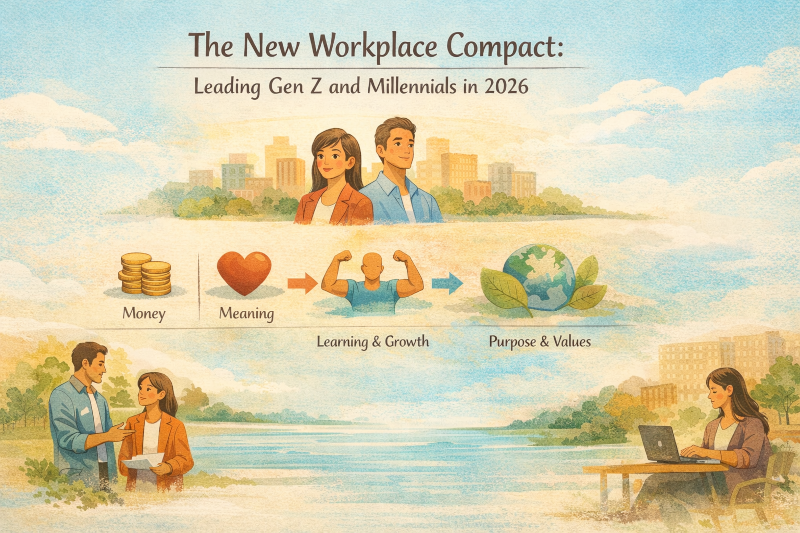
Younger workers increasingly weigh flexibility, purpose, growth, well-being, and trust alongside compensation and career advancement.
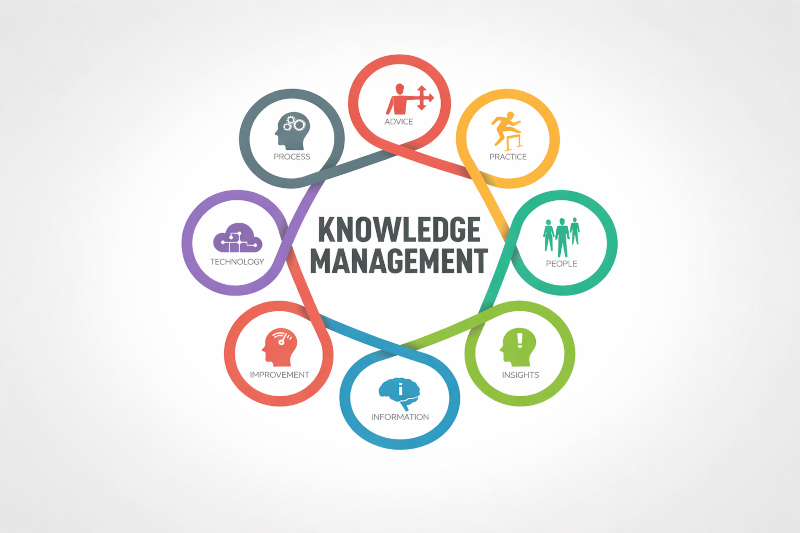
Knowledge management is strategic infrastructure when it improves retrieval, organizational learning, execution, and decision-making.

Employees lose time searching, reconstructing context, and repeating work when operational knowledge is fragmented or difficult to access.
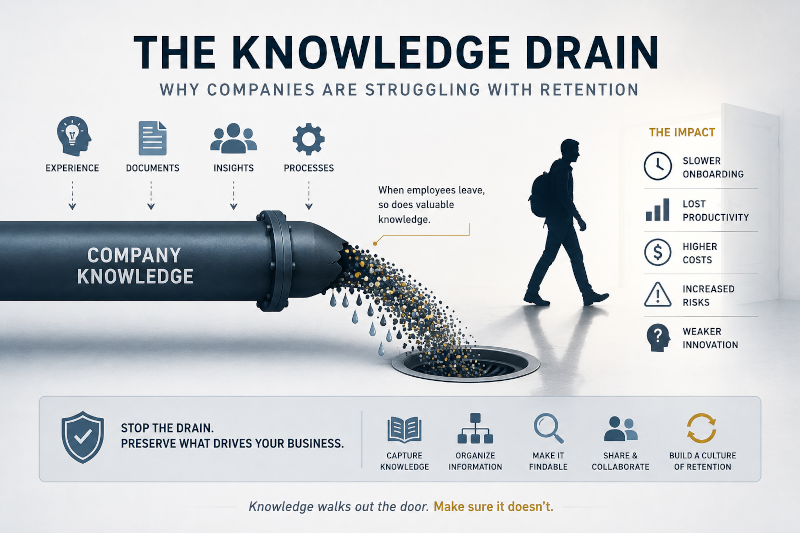
When knowledge depends on individuals instead of maintained systems, turnover and change can quietly undermine operational continuity.