The New Skill Companies Actually Need: Systems Thinking
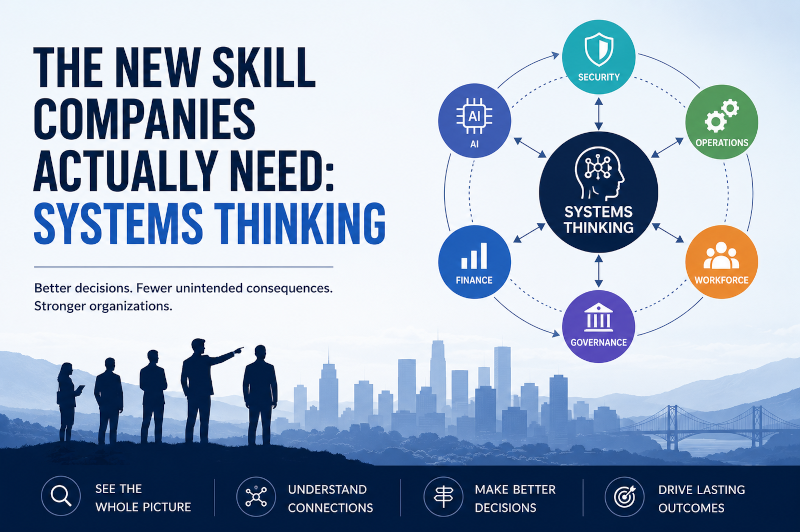
Systems thinking helps leaders anticipate downstream effects, understand interdependencies, and evaluate initiatives beyond isolated departmental outcomes.
Systems thinking helps leaders anticipate downstream effects, understand interdependencies, and evaluate initiatives beyond isolated departmental outcomes.
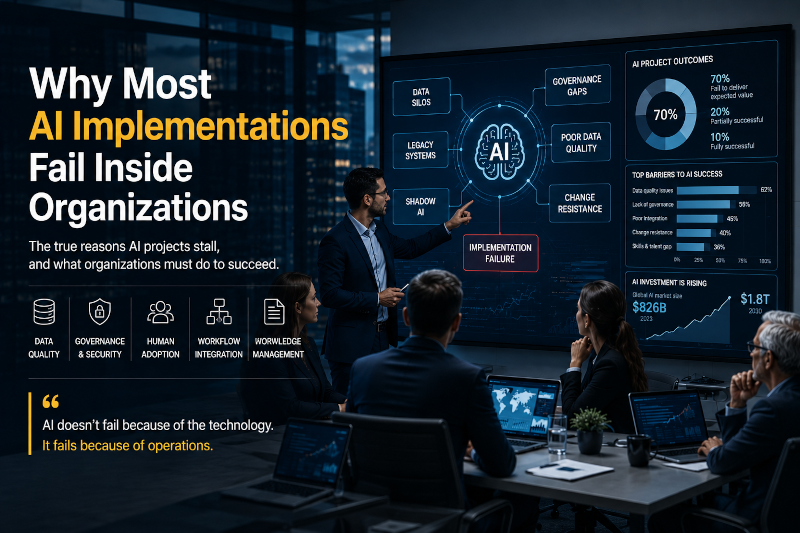
AI initiatives stall when organizations overlook workflow fit, employee adoption, governance, and measurable business outcomes.
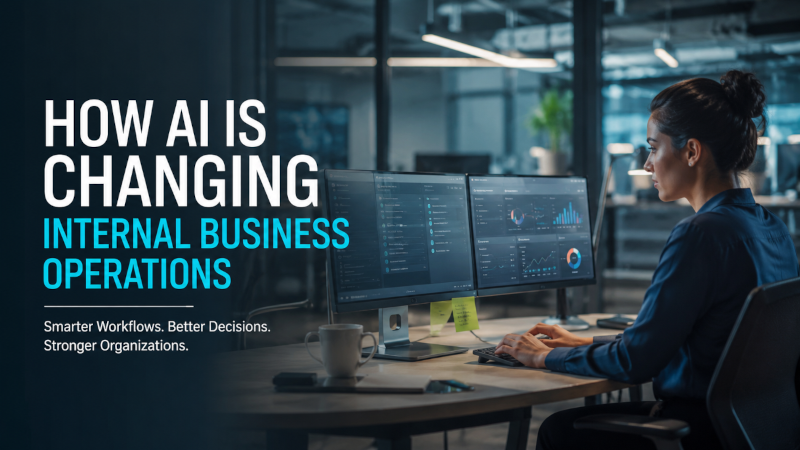
AI exposes the real state of processes, data, documentation, and governance—making operational weaknesses harder to ignore.

AI automation may shift IT teams away from routine execution toward oversight, governance, architecture, and higher-value decisions.

Successful AI adoption starts with a business problem, a credible value case, and execution that changes how work gets done.
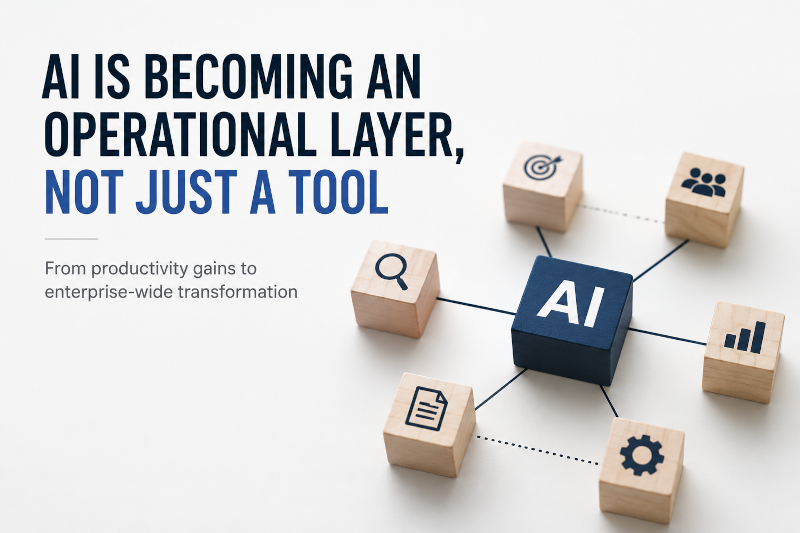
AI delivers broader value when it becomes part of coordinated workflows rather than a collection of disconnected productivity tools.
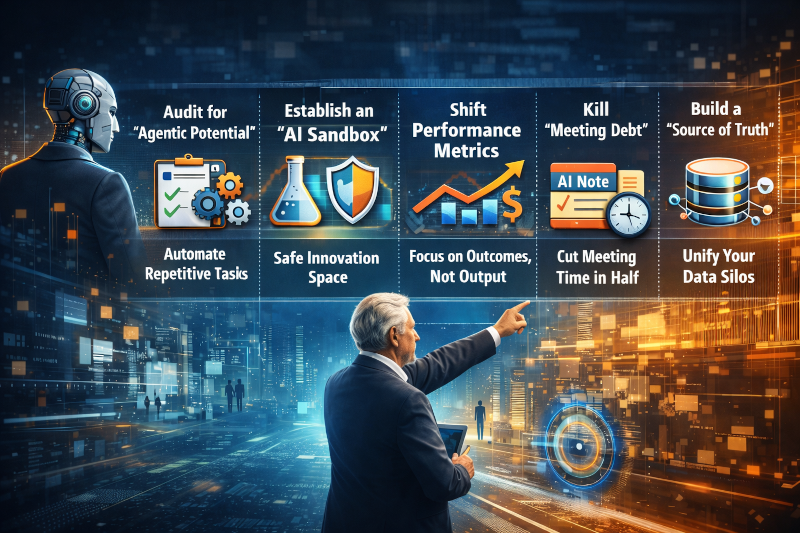
Managers must coordinate human employees and AI agents through clear responsibilities, oversight, escalation paths, and performance measures.

AI creates business value when it is embedded in redesigned workflows with clear accountability, verification, and measurable outcomes.