SPIRZON INSIGHTS
Ideas for better systems and decisions.
Practical perspectives on business operations, organizational systems, and technology.
Featured Insight
-

The Real Value of Process Mapping Is Better Understanding
Read Article →: The Real Value of Process Mapping Is Better UnderstandingProcess mapping creates value by revealing how work really flows, where knowledge is lost, and why execution breaks down.
Latest Insights
-
The Real Value of Process Mapping Is Better Understanding
Process mapping creates value by revealing how work really flows, where knowledge is lost, and why execution breaks down.
-
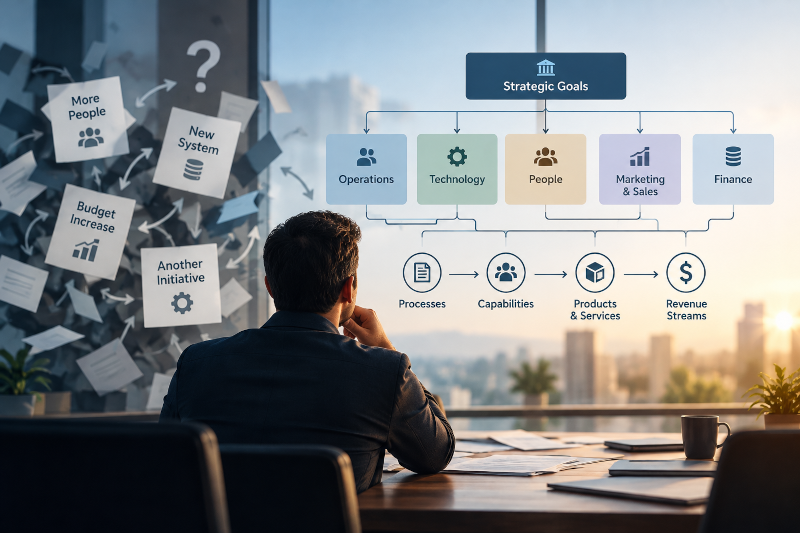
Why Organizations Keep Investing in Problems They Don’t Understand?
Organizations often invest in new tools and initiatives before diagnosing the underlying causes of persistent operational problems.
-
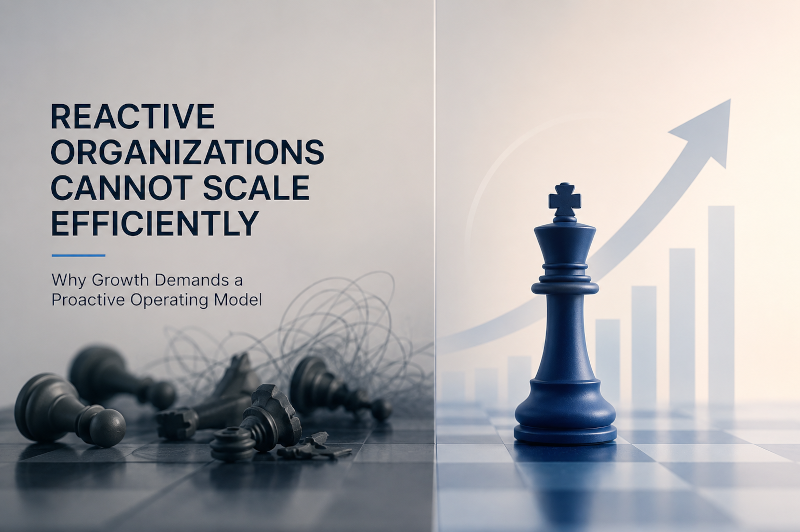
Reactive Organizations Cannot Scale Efficiently: Why Growth Demands a Proactive Operating Model
Growth exposes reactive operating models; scalable organizations deliberately design workflows, accountability, and coordination before complexity overwhelms them.
-
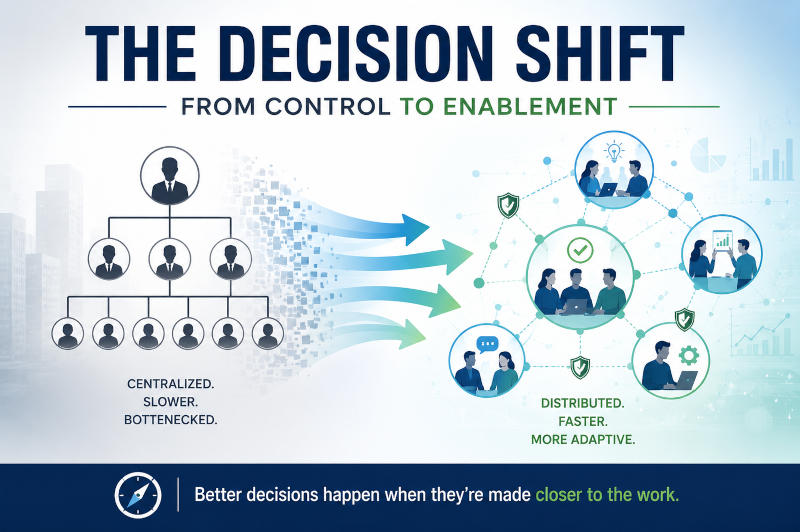
Why Decision-Making Is Becoming More Distributed
As work becomes more interconnected, organizations must clarify which decisions can move closer to execution and which require escalation.
-
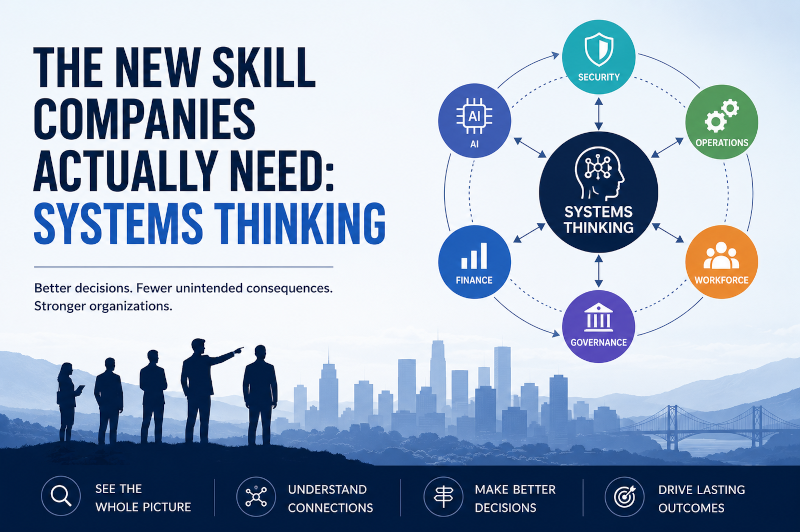
The New Skill Companies Actually Need: Systems Thinking
Systems thinking helps leaders anticipate downstream effects, understand interdependencies, and evaluate initiatives beyond isolated departmental outcomes.
-
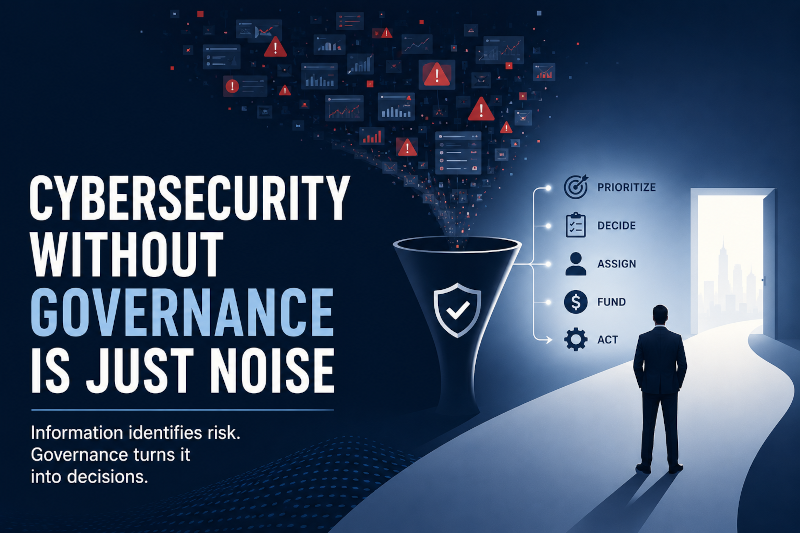
Cybersecurity Governance: Turning Risk Into Decisions
Effective cybersecurity governance assigns clear risk ownership and connects technical findings to decisions leaders can act on.
-
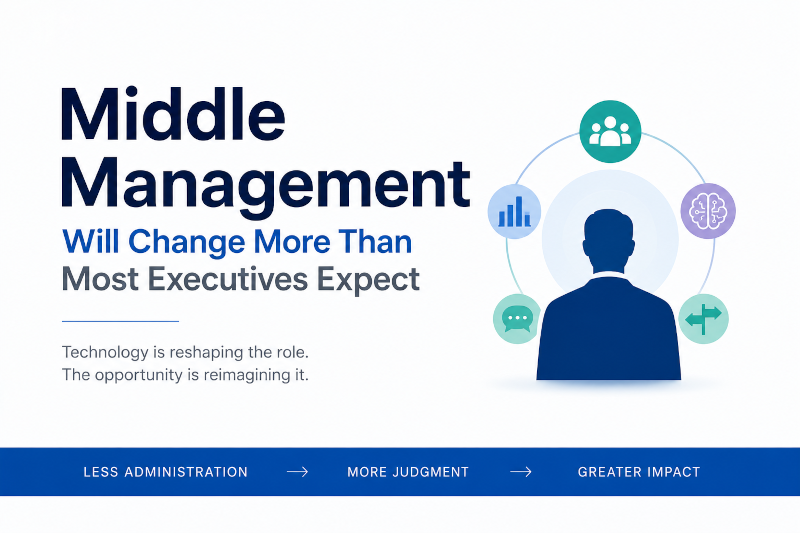
Middle Management Will Change More Than Most Executives Expect
AI and automation may reshape middle management by reducing routine reporting and creating more room for coaching and decisions.
-
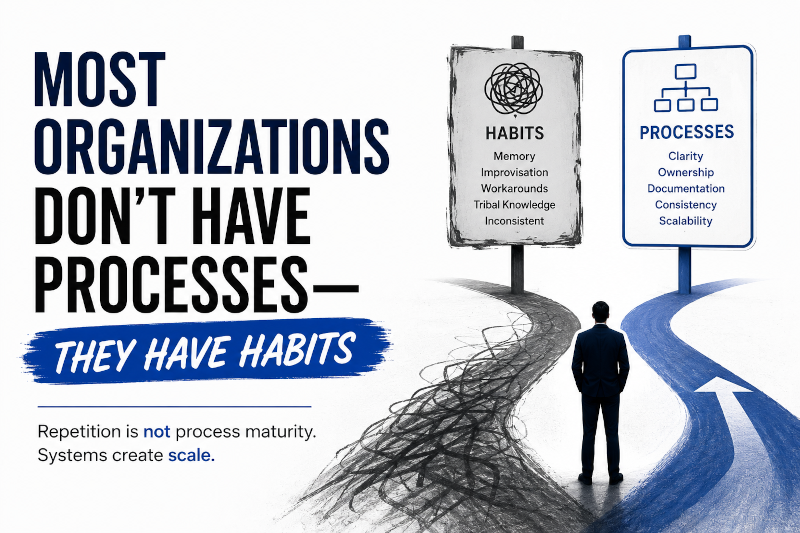
Most Organizations Don’t Have Processes — They Have Habits
When work depends on informal habits rather than defined processes, consistency and scalability disappear as teams grow or change.
-
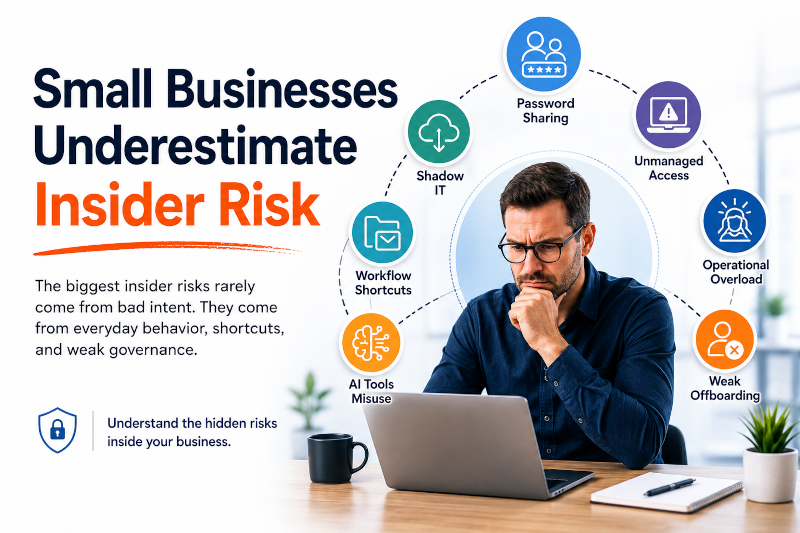
Small Businesses Underestimate Insider Risk
Insider risk includes accidental mistakes and workflow shortcuts, so small businesses need practical controls that fit everyday work.
-
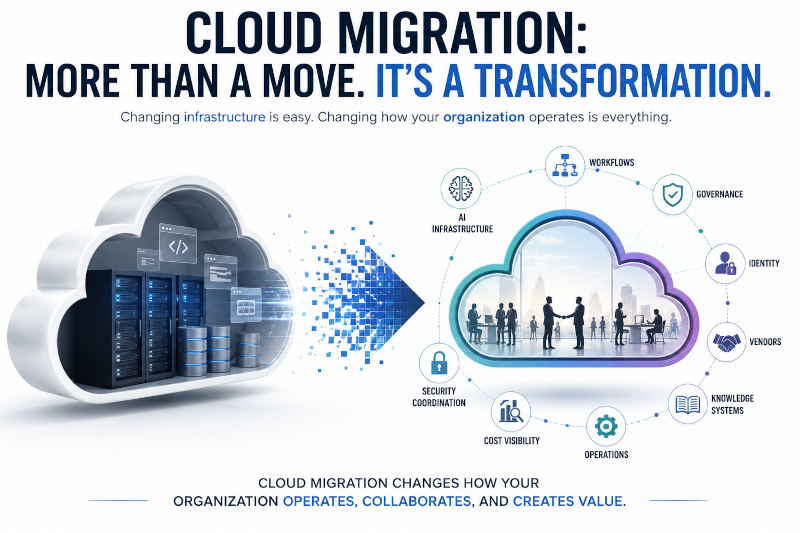
Cloud Migration Risks Most Companies Ignore
Cloud migration can fail when organizations overlook dependencies, operating-model changes, governance, and the people who support critical systems.
-
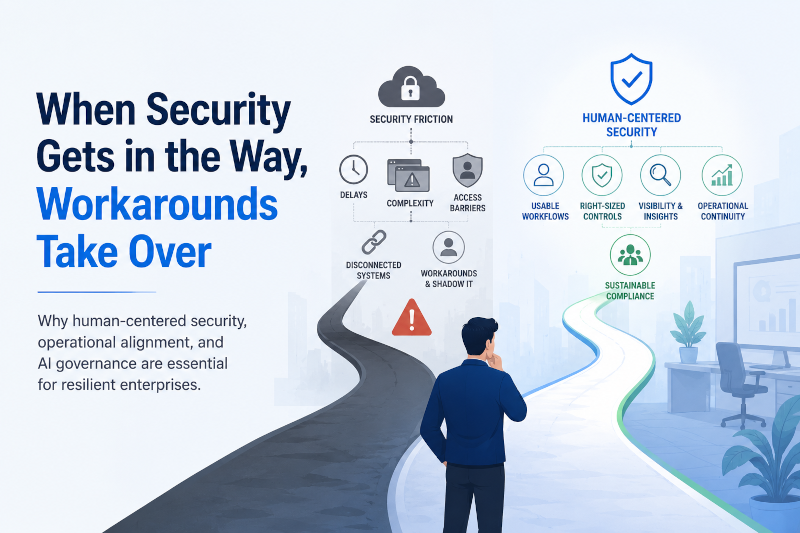
Why Employees Circumvent Security Policies
Employees bypass security controls when policies conflict with real workflows, creating risk that stricter rules alone may not solve.
-
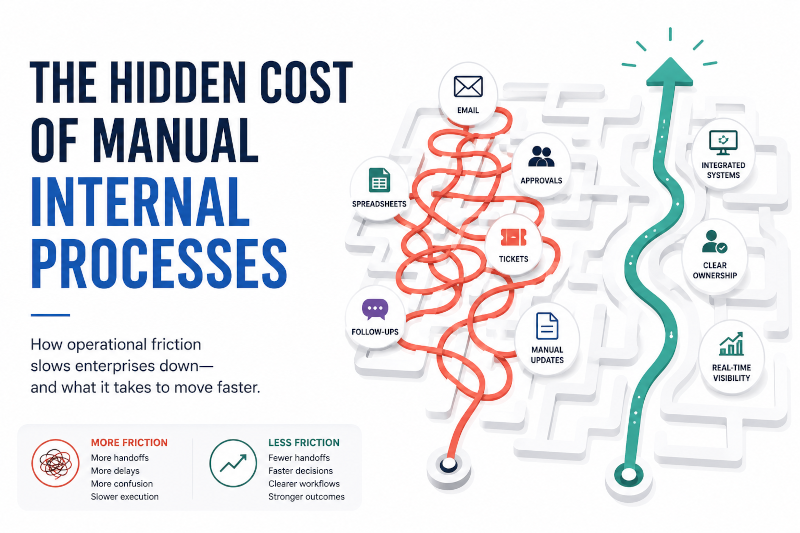
The Hidden Cost of Manual Internal Processes
Manual approvals, duplicate entry, and reconciliation consume capacity that employees could spend on higher-value work.
-
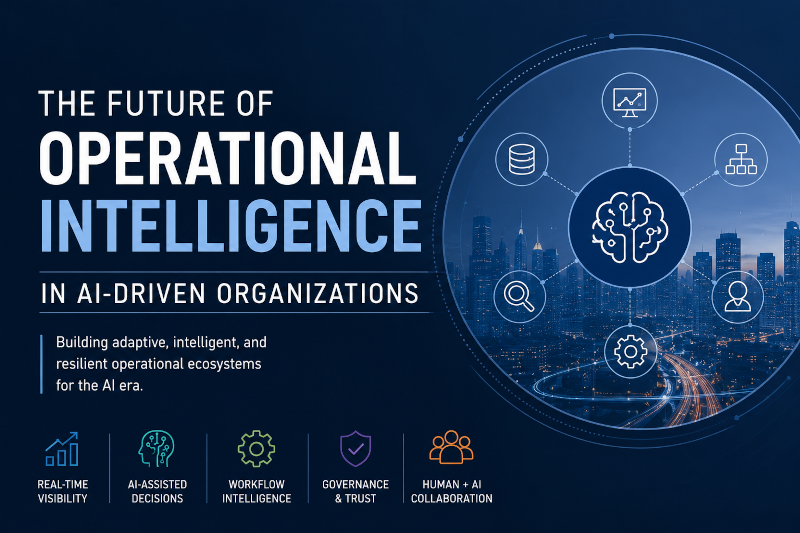
The Future of Operational Intelligence in AI-Driven Organizations
Operational intelligence connects reliable data, shared visibility, and standardized workflows to support better decisions and AI-enabled execution.
-
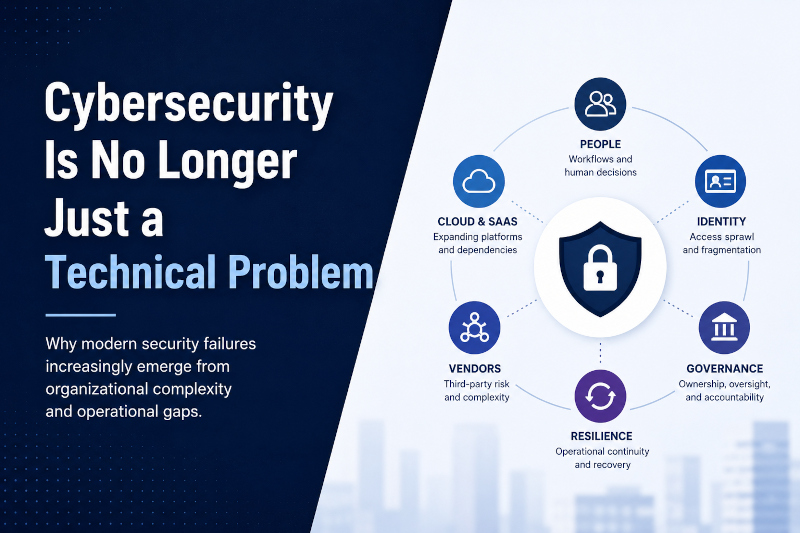
Cybersecurity Is No Longer Just a Technical Problem
Cybersecurity risk is shaped by business processes, incentives, identity practices, and decisions—not technology controls alone.
-

Why Organizational Memory Matters More Than Ever in the AI Era
AI depends on accessible, trustworthy organizational knowledge, making knowledge governance and maintenance essential to effective adoption.
-
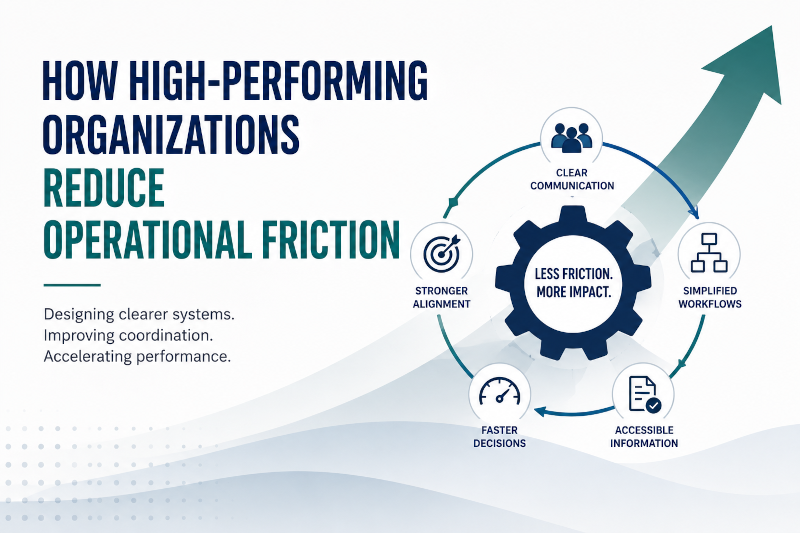
How High-Performing Organizations Reduce Operational Friction
Small delays, unclear responsibilities, and repeated handoffs accumulate; reducing operational friction helps teams execute more reliably.
-
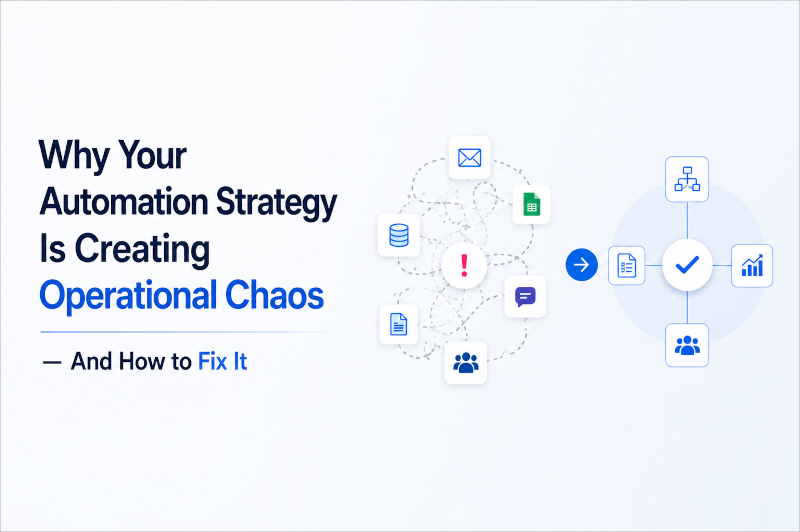
Why Your Automation Strategy Is Creating Operational Chaos — And How to Fix It
Fragmented automation can multiply operational complexity when tools are added without coordinating workflows, ownership, and shared data.
-
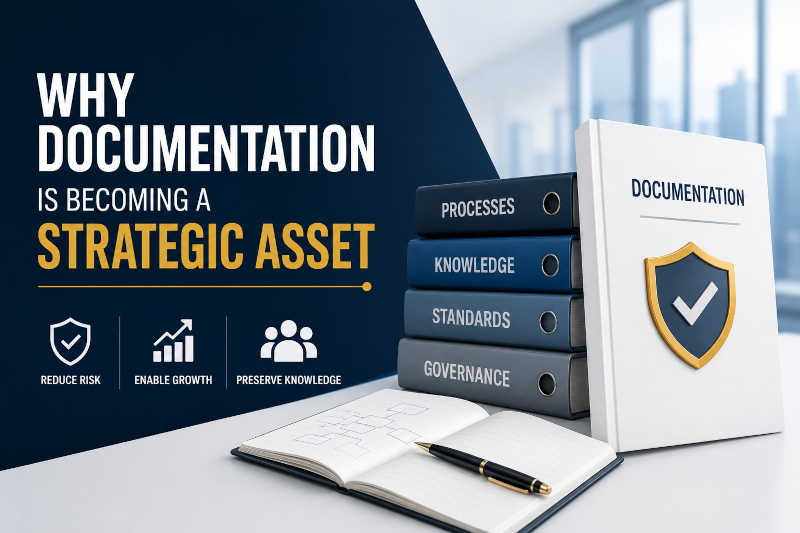
Why Documentation Is Becoming a Strategic Asset
Well-maintained documentation preserves operational knowledge, supports consistent execution, and reduces dependence on individual employees.
-
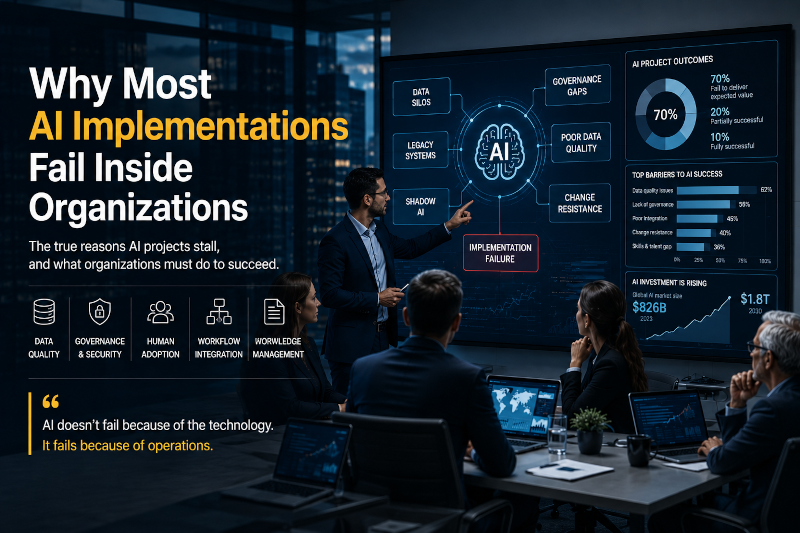
Why Most AI Implementations Fail Inside Organizations
AI initiatives stall when organizations overlook workflow fit, employee adoption, governance, and measurable business outcomes.
-
AI Is Not Changing Business Operations. It’s Exposing How They Really Work.
AI exposes the real state of processes, data, documentation, and governance—making operational weaknesses harder to ignore.
-

Nobody Knows How This Automation Works
Business-critical automations become a liability when ownership, logic, dependencies, and recovery procedures are poorly understood.
-

How to Fix Broken Automation: Aligning Workflows with Reality
Reliable automation begins with how work actually happens, including exceptions, handoffs, escalations, and informal practices.
-

Your Identity System Is Held Together by Duct Tape
Fragile identity environments create security and operational risk when access processes rely on workarounds, manual fixes, and disconnected tools.
-

The Rise of the Autonomous IT Department
AI automation may shift IT teams away from routine execution toward oversight, governance, architecture, and higher-value decisions.
-

The Death of the IT Perimeter: Why Security Is Now Identity-First
Cloud services and distributed work weaken the traditional network perimeter, making identity, access controls, and continuous verification central to security.
-

Why Onboarding Automation Fails: Fixing the New Hire Confusion Gap
Onboarding automation can complete administrative tasks while leaving new hires confused about responsibilities, tools, and how work actually happens.
-

Our “Single Source of Truth” Has 4 Versions
Multiple competing versions of critical information erode trust, create rework, and undermine decisions across the organization.
-
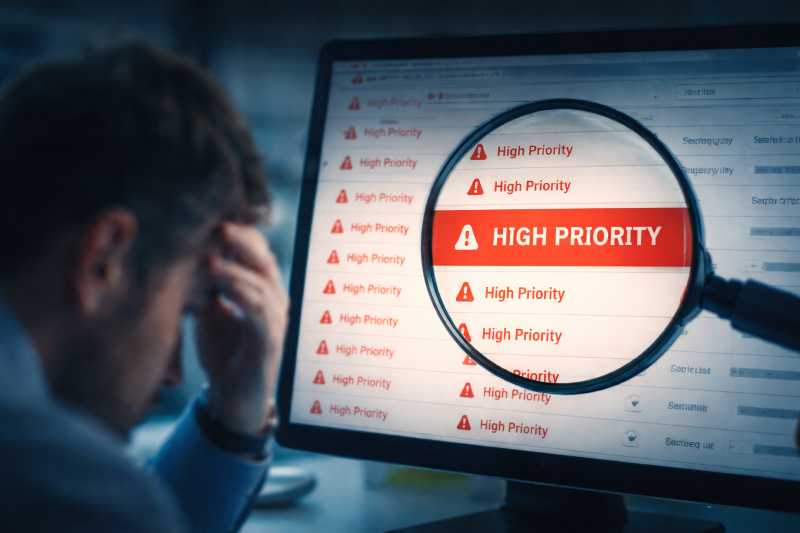
We Automated Ticketing… and Now Everything Is “High Priority”
When ticketing automation labels everything urgent, weak prioritization rules overwhelm teams and obscure the work that matters most.
-

Patching Is Broken—and It’s Putting You at Risk
Patching programs fail when remediation is slow, priorities are unclear, and vulnerability management is disconnected from operational risk.
-

Your SaaS Stack Is Out of Control
Unmanaged SaaS growth creates overlapping tools, unclear ownership, security exposure, and avoidable subscription costs.
-

The Silent Burnout Crisis in IT: The Cost of Perpetual Firefighting
Persistent IT firefighting often signals recurring system failures, unclear processes, and preventable operational work—not simply workload.
-

Why Failed AI Adoption Comes Down to Strategy, ROI, and Execution
Successful AI adoption starts with a business problem, a credible value case, and execution that changes how work gets done.
-
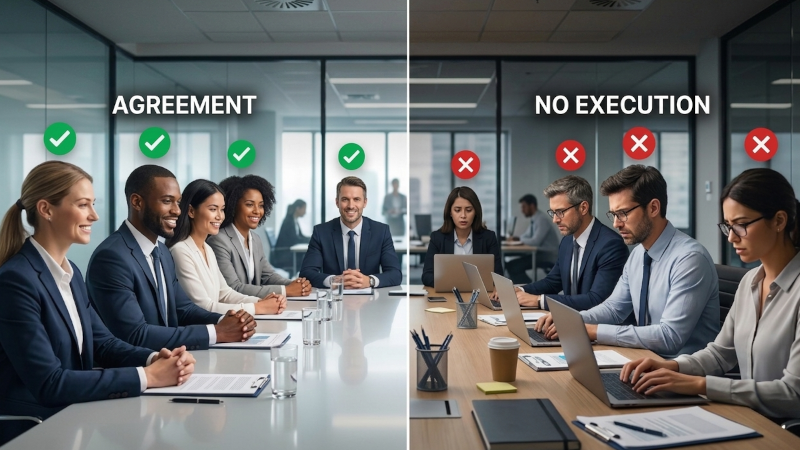
Everyone Agreed to the Change—Then Nothing Actually Changed
Stakeholder agreement sets direction, but real change requires ownership, reinforcement, and removal of everyday barriers.
-
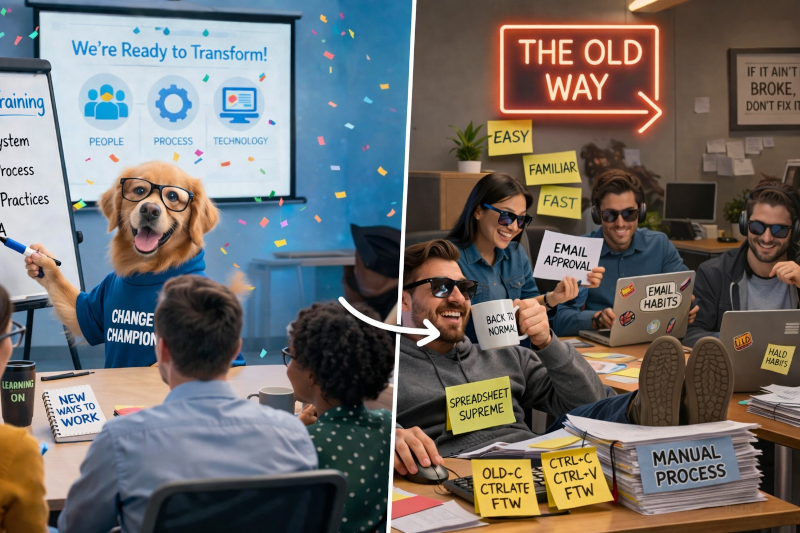
We Trained Everyone… Then They Went Back to the Old Way
Training alone rarely sustains change; adoption depends on workflow design, manager reinforcement, and ongoing measurement.
-

The Spreadsheet That Still Runs the Business
Critical spreadsheets often become hidden business systems, creating continuity, control, and accuracy risks when ownership is unclear.
-
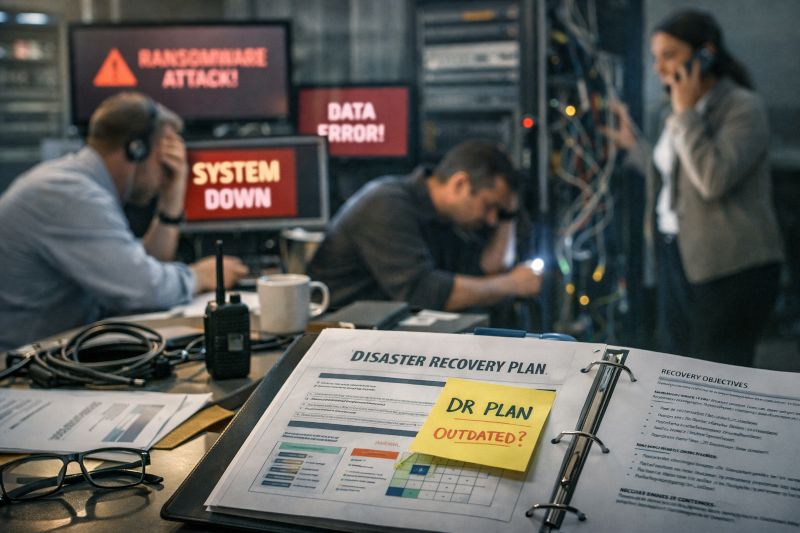
Nobody Has a Real Disaster Recovery Plan—Just a Document
A disaster recovery document proves little unless teams test recovery procedures, validate dependencies, and demonstrate that systems can return.
-

You’re Paying for Licenses No One Uses—And It’s Draining Your Budget
Unused SaaS licenses quietly waste budget; usage reviews, clear ownership, and renewal discipline help control software sprawl.
-
Your Biggest Cybersecurity Risk May Not Be Inside Your Network
Third-party vendors, integrations, and external access can expand an organization’s attack surface beyond its internal network.
-

From IT Support to Business Driver: The New Role of IT Leaders
IT leaders can create greater business value by connecting technology decisions to workflows, operating performance, and measurable outcomes.
-
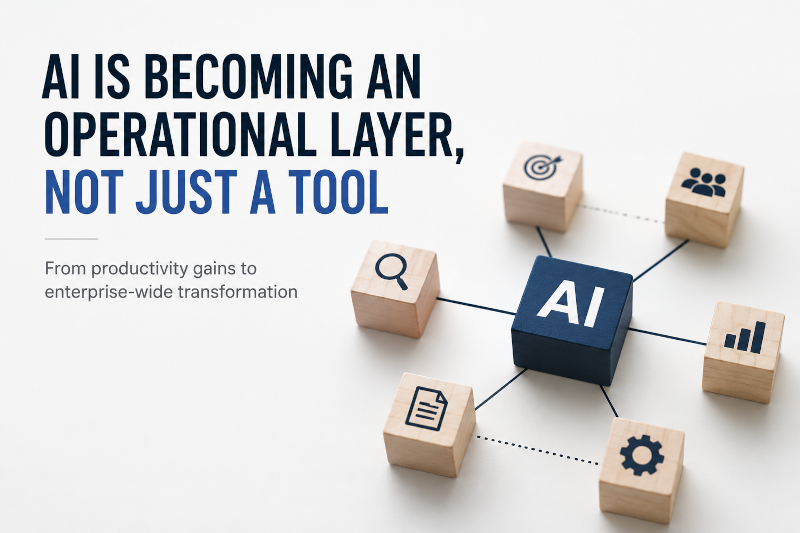
AI Is Becoming an Operational Layer, Not Just a Productivity Tool
AI delivers broader value when it becomes part of coordinated workflows rather than a collection of disconnected productivity tools.
-
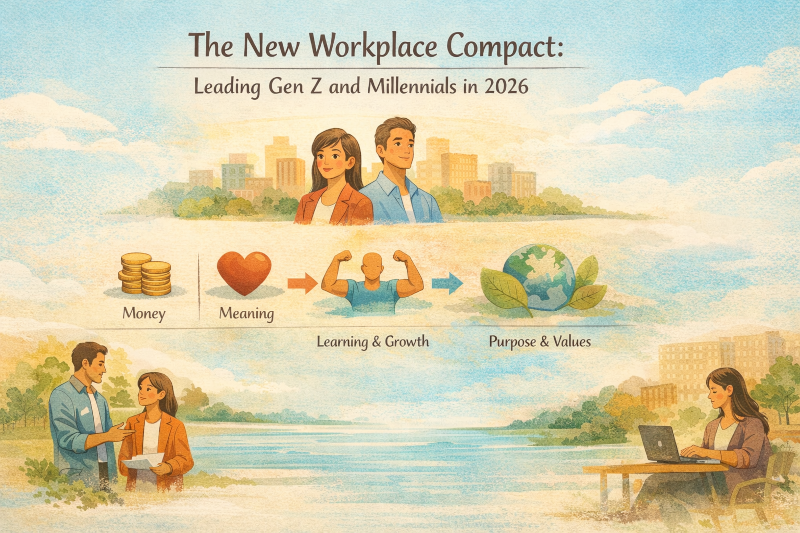
The New Workplace Compact: How Gen Z and Millennials Are Redefining Work in 2026
Younger workers increasingly weigh flexibility, purpose, growth, well-being, and trust alongside compensation and career advancement.
-
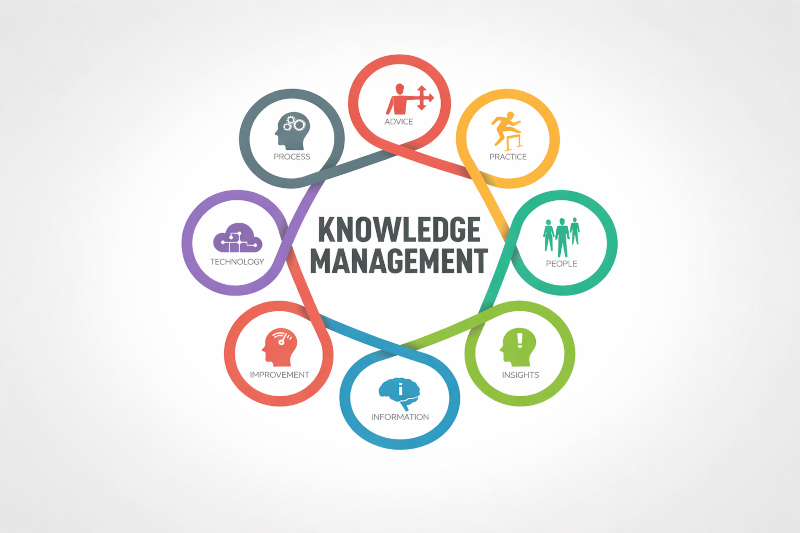
The Strategic Case for Knowledge Management in 2026
Knowledge management is strategic infrastructure when it improves retrieval, organizational learning, execution, and decision-making.
-
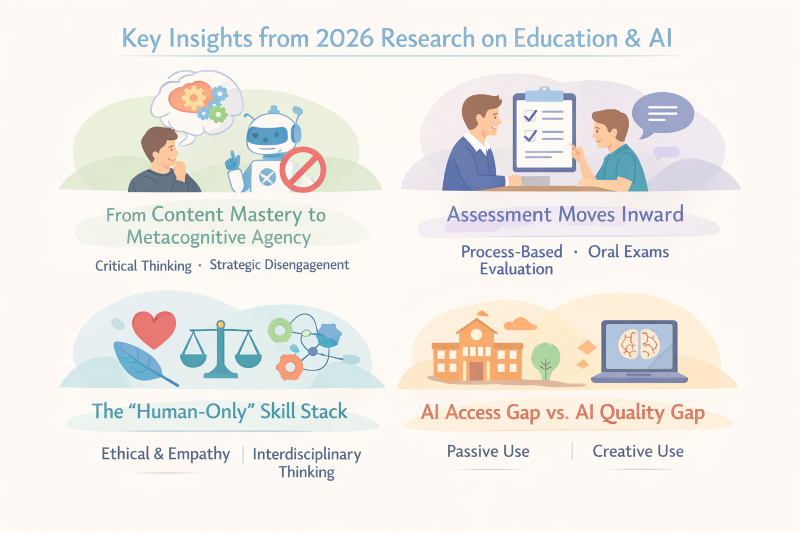
The Renaissance of Reason: Education in the Age of Human-AI Co-evolution
As AI reshapes learning, education must emphasize reasoning, critical evaluation, and metacognition—not just producing correct answers.
-

Mind vs. Machine: How AI Is Reshaping Human Thinking and Memory
AI is changing how people remember, reason, and create, raising important questions about productivity and cognitive dependence.
-
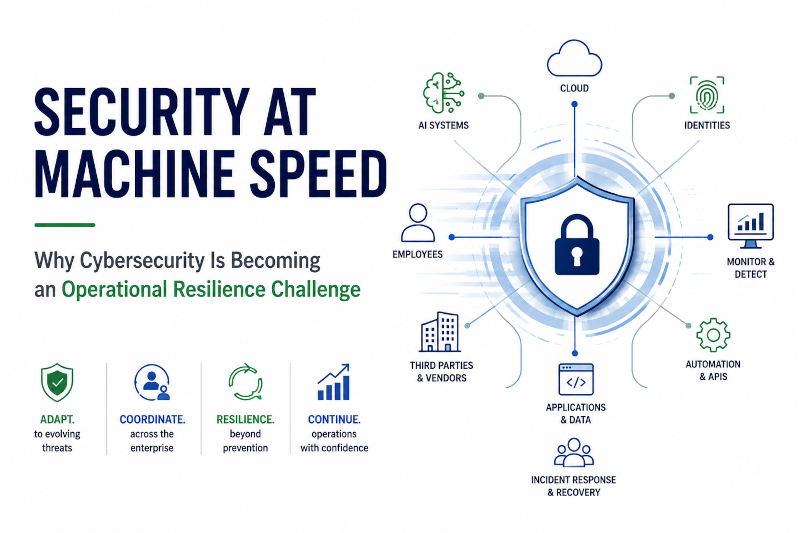
Security at Machine Speed: Why Cybersecurity Is Becoming an Operational Resilience Challenge
Cybersecurity resilience depends on integrating identity, verification, governance, and recovery into the way the organization operates.
-

The Silent Productivity Killer: Why Knowledge Systems Are Becoming Operational Infrastructure
Employees lose time searching, reconstructing context, and repeating work when operational knowledge is fragmented or difficult to access.
-
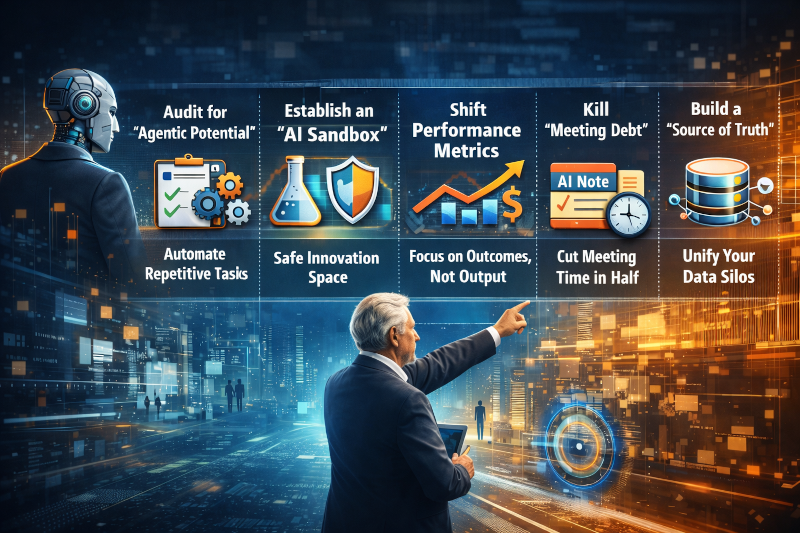
Managing the Human–Agent Hybrid Workforce: A Practical Guide for Managers in 2026
Managers must coordinate human employees and AI agents through clear responsibilities, oversight, escalation paths, and performance measures.
-

From AI Hype to Operational Execution: How Enterprise Work Is Changing in 2026
AI creates business value when it is embedded in redesigned workflows with clear accountability, verification, and measurable outcomes.
-

The 2025 Cybersecurity Pivot: Managing the “Machine-Speed” Threat Landscape
Machine-speed threats demand stronger identity controls, continuous monitoring, and security governance built into daily operations.
-
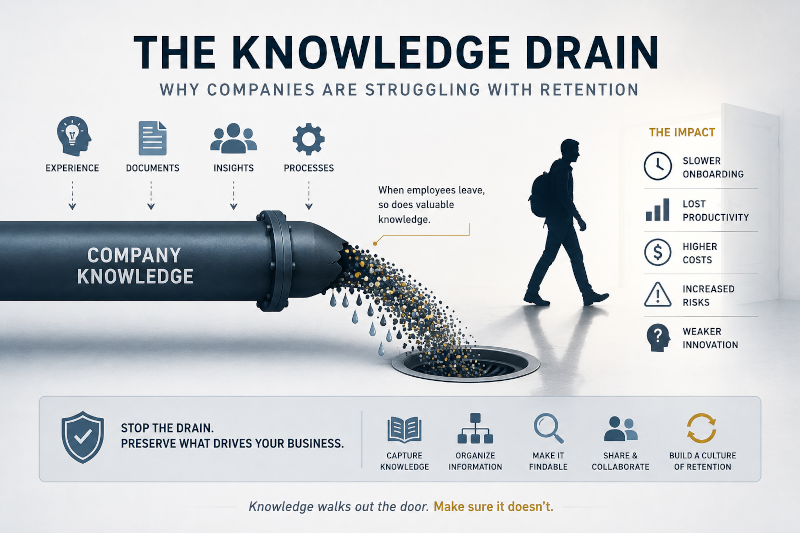
Why Organizational Knowledge Disappears Faster Than Companies Realize
When knowledge depends on individuals instead of maintained systems, turnover and change can quietly undermine operational continuity.