The Real Value of Process Mapping Is Better Understanding

Process mapping creates value by revealing how work really flows, where knowledge is lost, and why execution breaks down.
Improving processes, workflows, automation, and operational performance.
Process mapping creates value by revealing how work really flows, where knowledge is lost, and why execution breaks down.

Organizations often invest in new tools and initiatives before diagnosing the underlying causes of persistent operational problems.
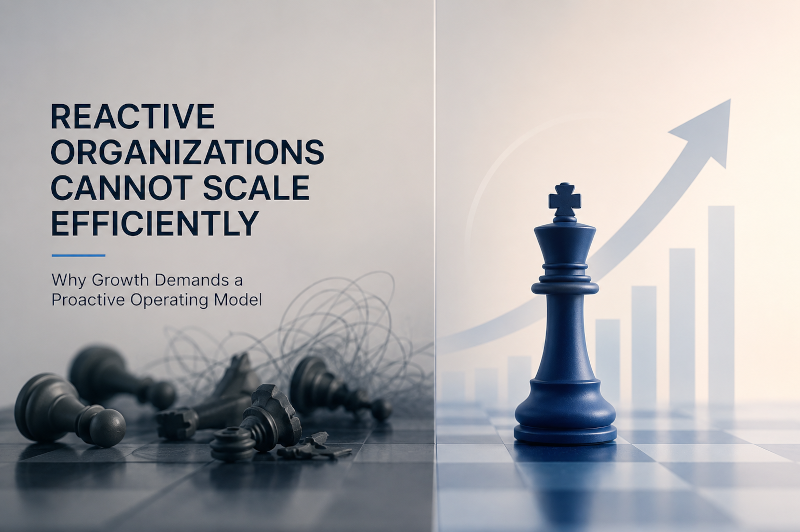
Growth exposes reactive operating models; scalable organizations deliberately design workflows, accountability, and coordination before complexity overwhelms them.
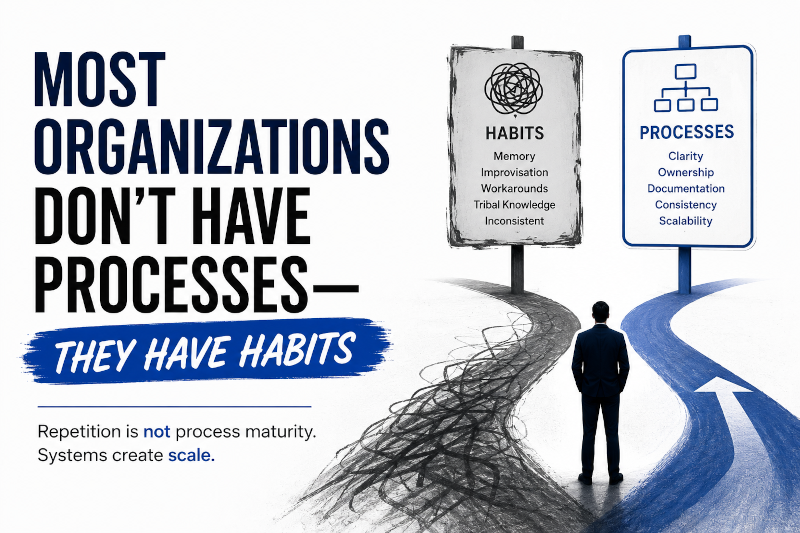
When work depends on informal habits rather than defined processes, consistency and scalability disappear as teams grow or change.
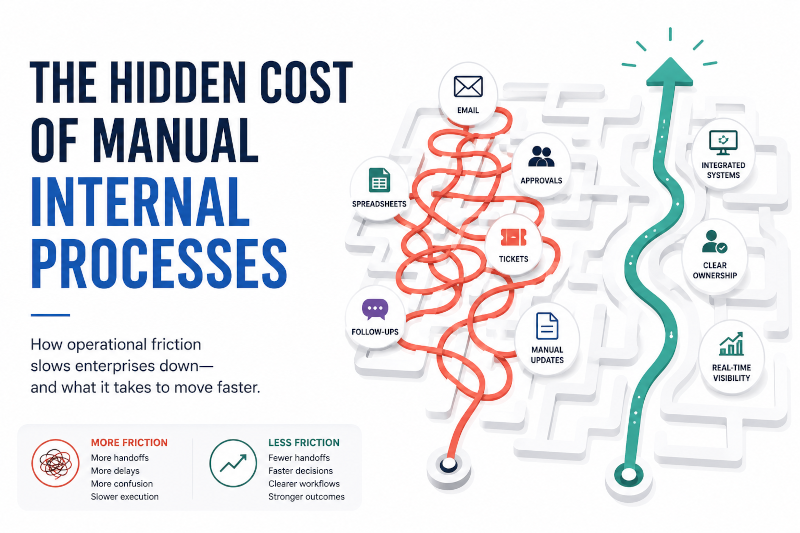
Manual approvals, duplicate entry, and reconciliation consume capacity that employees could spend on higher-value work.
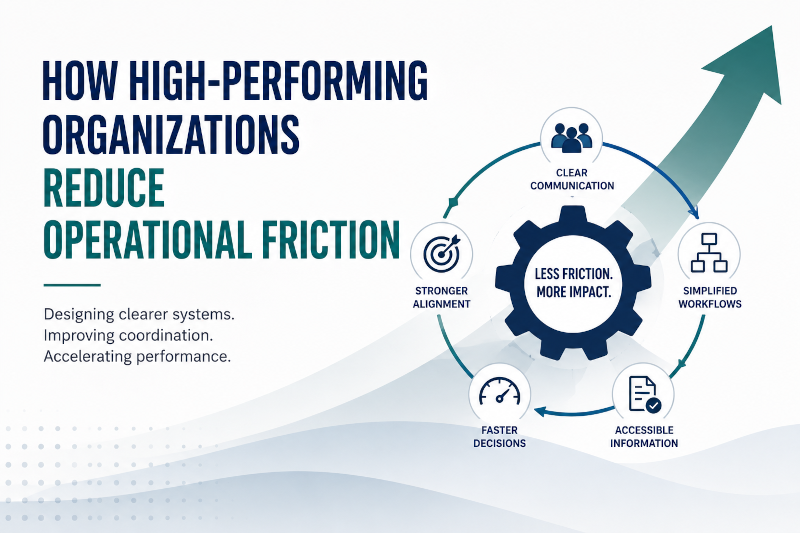
Small delays, unclear responsibilities, and repeated handoffs accumulate; reducing operational friction helps teams execute more reliably.
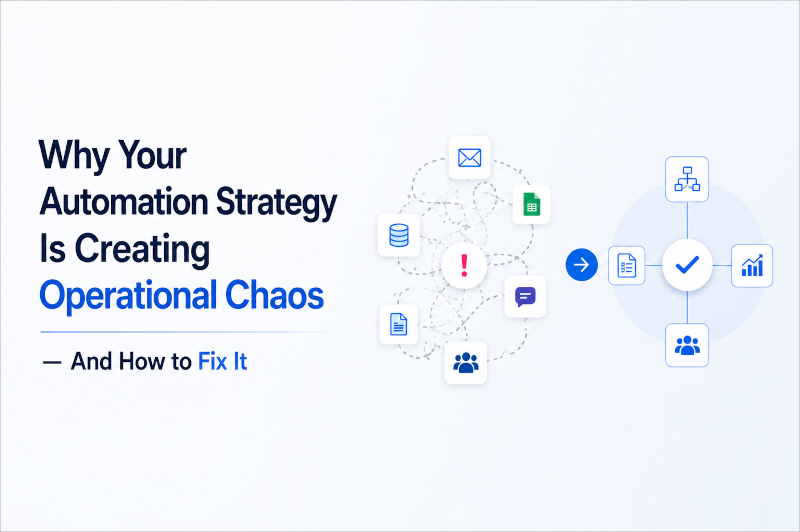
Fragmented automation can multiply operational complexity when tools are added without coordinating workflows, ownership, and shared data.

Business-critical automations become a liability when ownership, logic, dependencies, and recovery procedures are poorly understood.

Reliable automation begins with how work actually happens, including exceptions, handoffs, escalations, and informal practices.

Onboarding automation can complete administrative tasks while leaving new hires confused about responsibilities, tools, and how work actually happens.