Managing the Human–Agent Hybrid Workforce: A Practical Guide for Managers in 2026

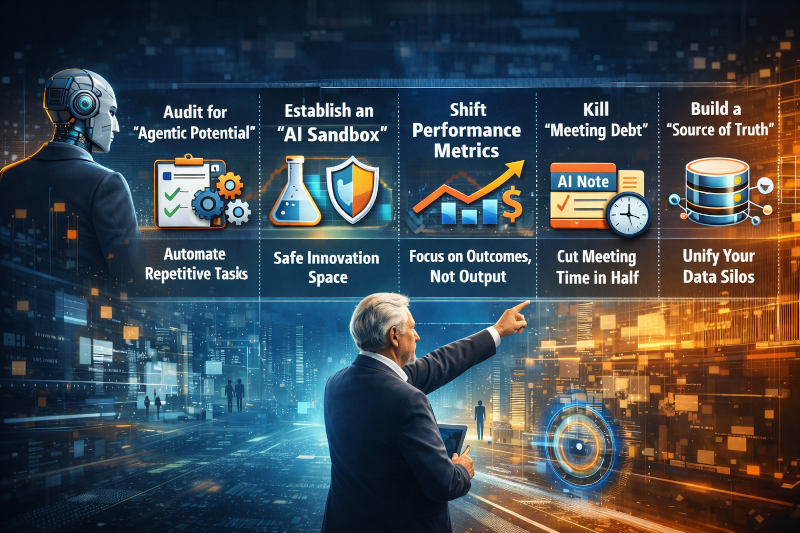
The Managerial Shift Is Already Underway Most organizations are no longer asking whether AI will influence work. That transition has already happened. The more immediate challenge facing managers in 2026 is operational: how to lead teams where human employees and AI systems work together across the same workflows. In many enterprise environments, AI agents already … Read more

From AI Hype to Operational Execution: How Enterprise Work Is Changing in 2026

Recommendations For the past several years, most organizations approached artificial intelligence through experimentation. Teams tested copilots, executives explored automation pilots, and departments deployed isolated AI tools in search of productivity gains. But across enterprise environments, the conversation is now shifting away from experimentation toward operational execution. The central question is no longer whether AI can … Read more

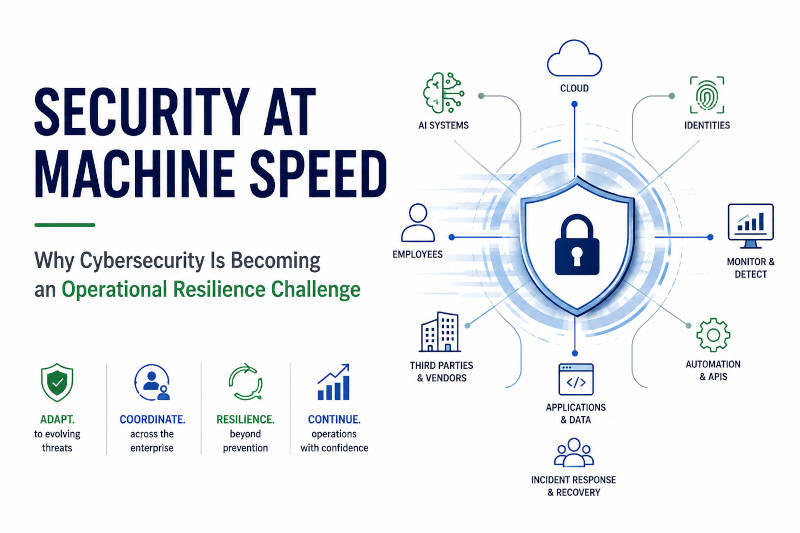
The 2025 Cybersecurity Pivot: Managing the “Machine-Speed” Threat Landscape

Recommendations Cybersecurity Is Becoming an Operational Systems Problem Enterprise cybersecurity is no longer defined primarily by firewalls, endpoint software, or perimeter defense models. In modern cloud and hybrid environments, identity increasingly functions as the core security boundary, while operational coordination determines how effectively organizations respond when those boundaries fail. This shift is changing the nature … Read more

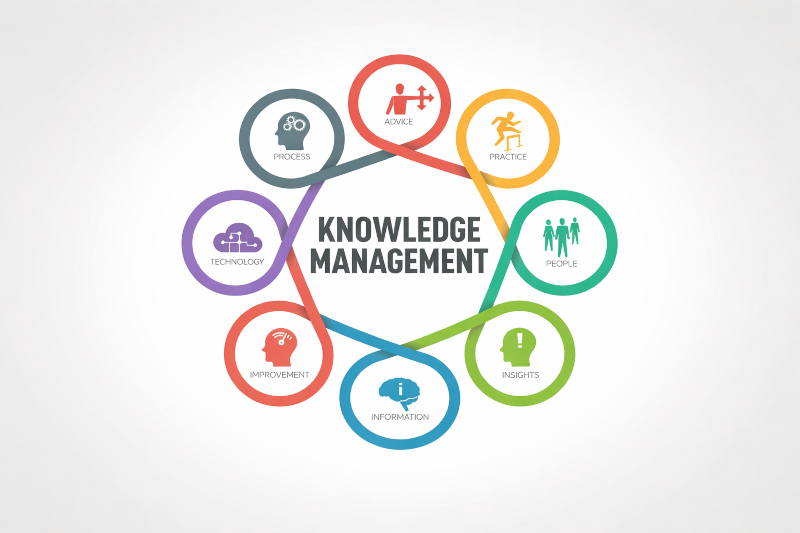
Why Organizational Knowledge Disappears Faster Than Companies Realize

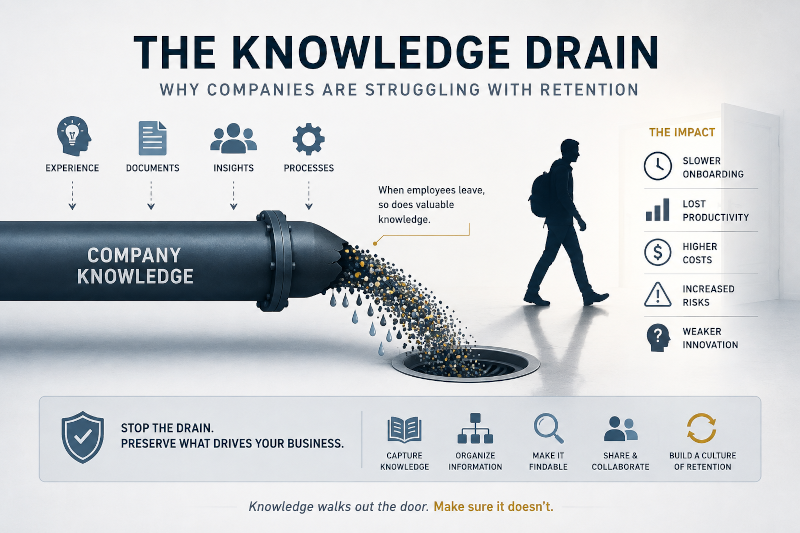
Recommendations Knowledge Loss Is Becoming an Operational Risk Most organizations still relegate knowledge loss to the HR department—a routine byproduct of retirements, restructures, and standard employee turnover. But in the modern enterprise, the real danger isn’t people leaving. It is the gradual, structural erosion of operational context over time. When a key player exits, they … Read more

How AI Is Reshaping Human Cognitive Work

Artificial intelligence is rapidly changing how modern organizations process information, solve problems, and make decisions. In many workplaces, AI systems are no longer limited to simple automation tasks. They are increasingly involved in drafting reports, summarizing meetings, generating analysis, reviewing documents, writing code, organizing research, and supporting operational decision-making across departments. As these systems become … Read more

Why Most Technology Adoption Efforts Fail Operationally

Most organizations no longer struggle to access technology. They struggle to integrate it operationally. Modern enterprises now have access to powerful AI systems, automation platforms, analytics tools, cloud infrastructure, and digital collaboration technologies. Yet many organizations continue experiencing a widening gap between technological capability and operational execution. The issue is rarely the software itself. More … Read more

Why Traditional Work Structures No Longer Scale

The modern workplace is undergoing a structural transformation that extends far beyond remote work trends or post-pandemic flexibility debates. Organizations are increasingly discovering that many traditional work structures were designed for an industrial and administrative economy that no longer reflects how modern knowledge work actually operates. Fixed job descriptions, rigid schedules, centralized supervision, and location-dependent … Read more