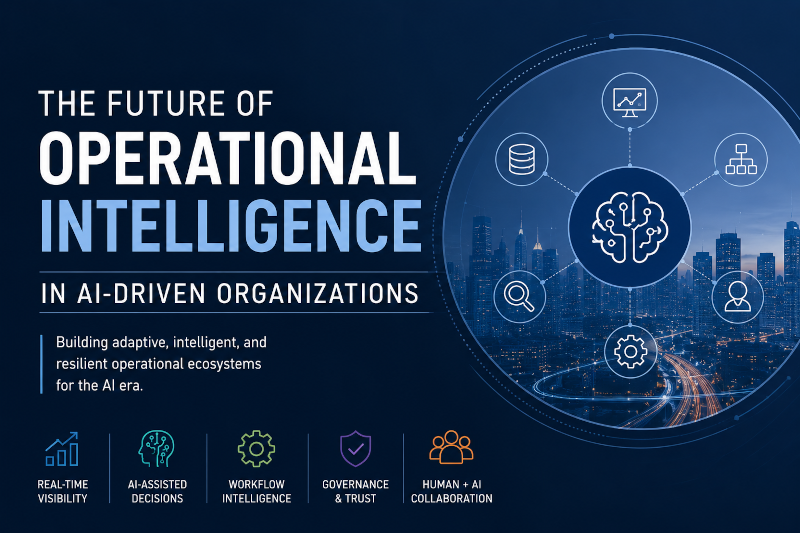
The Future of Operational Intelligence in AI-Driven Organizations

Recommendations Operational Intelligence Is Becoming Enterprise Infrastructure Most organizations still think about operational intelligence primarily as a reporting function where dashboards are created, KPIs are tracked, business intelligence systems generate analytics, and executives review summaries during scheduled meetings. But operational intelligence is gradually evolving into something much larger. In modern enterprises, operational intelligence increasingly refers … Read more

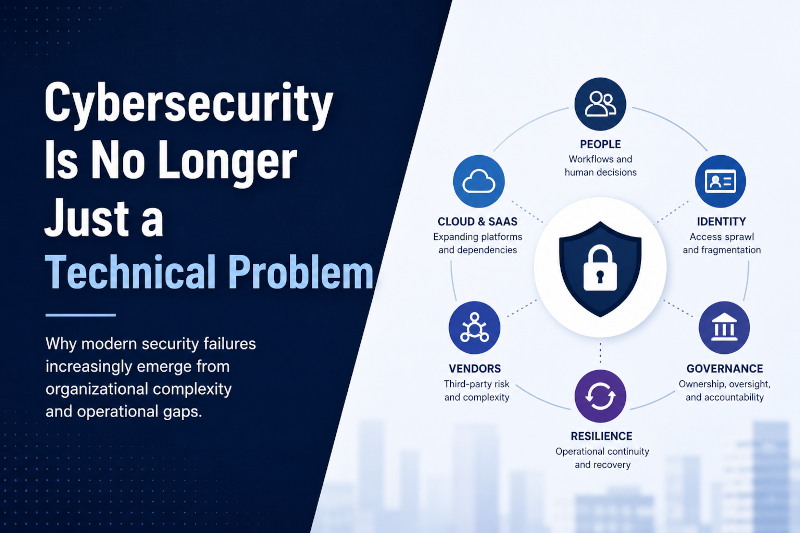
Cybersecurity Is No Longer Just a Technical Problem

Recommendations For decades, organizations primarily treated cybersecurity as a technical discipline. Security teams focused on firewalls, endpoint protection, malware detection, network segmentation, and vulnerability management. Most cyber incidents were framed as technical failures requiring technical solutions. That model no longer reflects how modern organizations actually operate. Today’s enterprise environments are deeply interconnected systems involving cloud … Read more

Why Organizational Memory Matters More Than Ever in the AI Era

Most organizations are currently focused on adopting AI tools. Far fewer are evaluating whether their organizational knowledge systems are capable of supporting AI effectively. That distinction matters more than many leaders initially realized. AI systems are not independent sources of organizational intelligence. They depend heavily on the quality, accessibility, structure, and consistency of the information … Read more

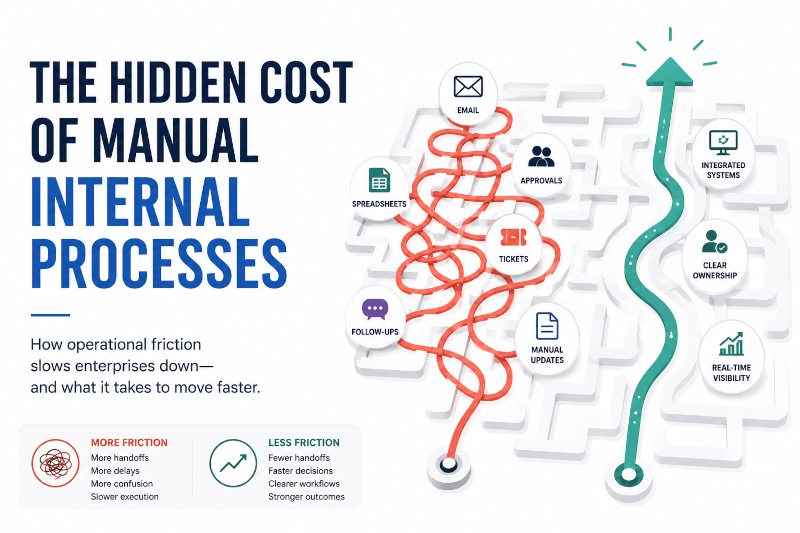
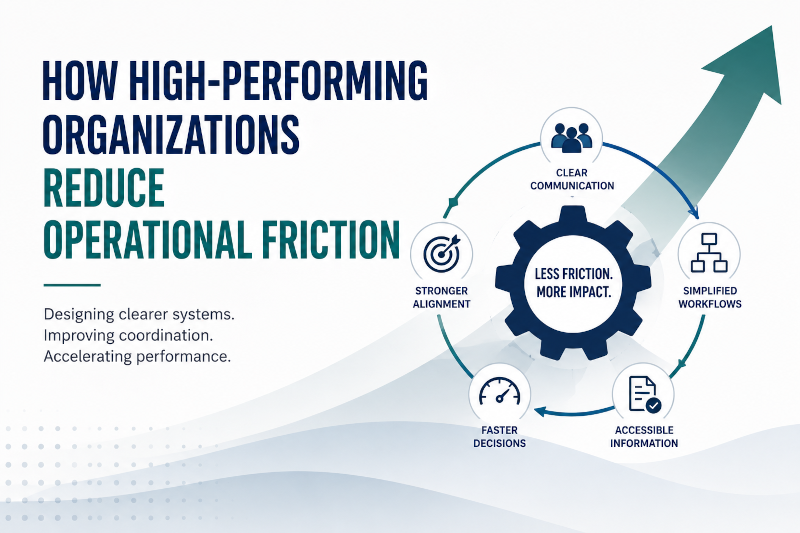
How High-Performing Organizations Reduce Operational Friction

Most organizations are not slowed by one catastrophic operational failure. They are slowed by accumulated friction. A delayed approval.An unclear workflow.A missing document.An unnecessary meeting.A decision waiting three days for validation.A process that requires employees to navigate six disconnected systems to complete one task. Individually, these inefficiencies may appear minor. Collectively, they create operational drag … Read more

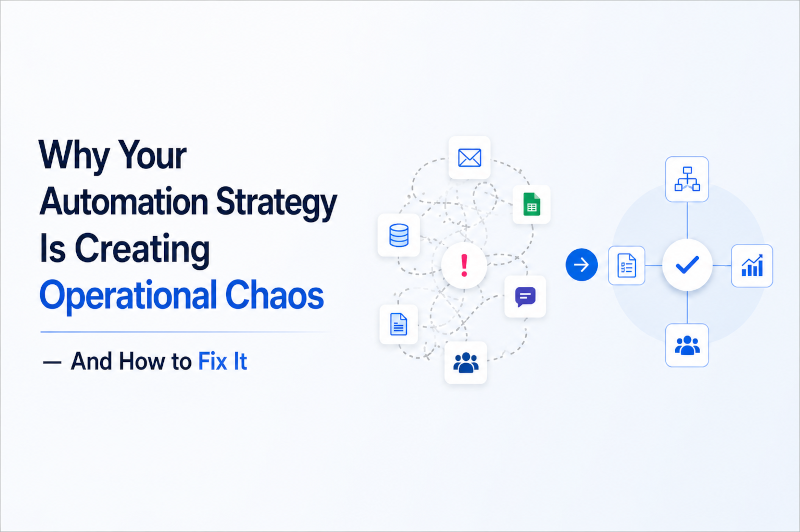
Why Your Automation Strategy Is Creating Operational Chaos — And How to Fix It

Most organizations are not suffering from a lack of automation. They are suffering from fragmented operational systems. Over the last decade, companies have aggressively invested in workflow automation technologies designed to improve productivity, reduce manual work, and accelerate business operations. From robotic process automation (RPA) and SaaS integrations to AI-powered assistants and workflow engines, automation … Read more

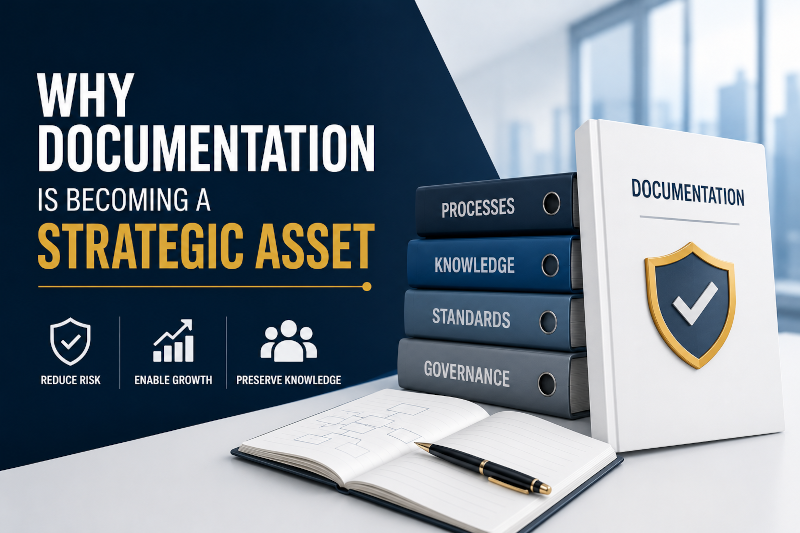
Why Documentation Is Becoming a Strategic Asset

Organizations rarely recognize documentation problems when operations are functioning normally. The consequences usually emerge later — during onboarding failures, employee turnover, compliance audits, operational outages, or periods of rapid organizational growth. What initially appears to be a minor administrative issue gradually evolves into operational friction that affects nearly every layer of the business. Documentation is … Read more

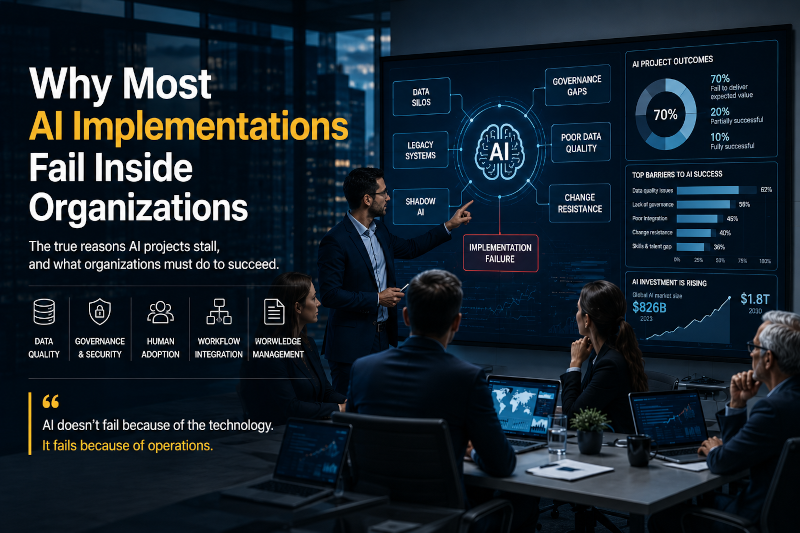
Why Most AI Implementations Fail Inside Organizations

Artificial Intelligence has rapidly evolved from an experimental technology into a boardroom priority. Organizations across nearly every industry are investing heavily in AI-driven tools to automate workflows, improve decision-making, reduce operational costs, and gain competitive advantages. Yet despite the enormous investment and enthusiasm surrounding enterprise AI adoption, a large percentage of implementations struggle to deliver … Read more

AI Is Not Changing Business Operations. It’s Exposing How They Really Work.

Recommendations Artificial intelligence is often described as a transformational technology that will fundamentally reshape how businesses operate. While that statement is accurate, it overlooks a more immediate and arguably more important reality. Before AI changes organizations, it reveals them. Over the past two years, businesses have rapidly adopted AI assistants, copilots, workflow automation platforms, knowledge … Read more

Nobody Knows How This Automation Works

Recommendations Automation is often sold as the cure for operational dependency. Build the workflow once, remove manual effort, and let the system run consistently at scale. In theory, automation reduces risk because work no longer depends on tribal knowledge or individual heroics. Yet in many organizations, the opposite has happened. Critical automations now run payroll … Read more

How to Fix Broken Automation: Aligning Workflows with Reality

Recommendations Automation promises something every organization wants: faster execution, lower costs, fewer errors, stronger controls, and greater operational consistency. Business cases often assume that once a workflow is automated, inefficiency disappears. Approvals become streamlined, handoffs become predictable, and manual effort declines. Yet many organizations discover a different reality after implementation. The workflow becomes automated, but … Read more